Ornamental Furniture In The Garden

0

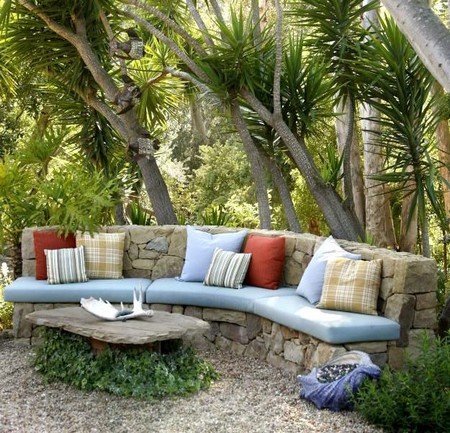
Ornamental Furniture In The Garden – Seats and tables take up a fairly large space in the garden. Too often they spoil the effect by being of unsympathetic materials or simply too large for their  environment. Putting a group of garden furniture on a special area of paving helps give it a purposeful look and acts as a framework. Scale is important. lt may be a good idea to enclose the area partially so that the furniture’s bulk does not intrude visually into the garden.

Garden-furniture7

Plastic garden furniture, although cheap, lightweight and easy to move about, cannot be said to add aesthetically to a garden. It may be the most convenient sort of furniture to have on a patio, but for permanent seats and benches, which become part of the garden design, there are more  sympathetic materials to choose from.

Garden-furniture

One seat placed in a niche, or angled against a group of shrubs or tall perennials can look very sculptural. Stone seats are undeniably sculptural, although they are best positioned where they will warm up in the sun before you sit on them. Wrought iron can look graceful; treated, painted or stained timber looks particularly good in the context of a country-style garden. A bench can be ‘settled’ into its place with plants at the sides. This makes furniture look as though it has rooted and gives it a permanent look.

Garden-furniture1

A tree seat can run fully or half-way around a tree, providing a shady place in which to relax and an eye-catching decoration. Cast-iron reproduction Victorian furniture looks particularly good in rather overgrown, informal gardens. Cast-aluminium copies have the advantage of being light, but they lose the detailing of the decoration.

Garden-furniture8

Garden-furniture4

Garden-furniture3

Garden-furniture5

Garden-furniture6

4 Reasons to knock down your house and rebuild it

0

You might have been living in your house more decades and have decided that it’s time to live in a new one. You consider just renovating some areas of the house but why not just knock down the whole house and rebuild a new one.

There are not a lot of people who opt for this option. Instead, they either renovate some parts of their house to make it look new or, they buy a new home in another city and transfer there. But there are advantages to choosing a knock-down rebuild instead of renovation or just buying a new house. Check out some of the reasons below.

  1. It might save you more money – you might think that this would be impossible. Although it would probably be cheaper to renovate, there are some experts who say that knocking down your house and rebuilding might prove to be cheaper in the long run. The thing with renovations is that there is a lot of demolition involved, especially for major projects. While that is happening, the renovations are stalled and extensions will definitely cost you money, unlike rebuilding where you start from a clean slate.
  2. You can finally design the house of your dreams – when you decide to just demolish your old house, you get the golden opportunity of designing your house according to how you want it. You get to choose just how the floor space will be, you can now turn it into a multi-story level instead of a bungalow. You can decide it now according to your needs and wants instead of you and your family adjust to the way the house was constructed before. You can include features you’ve always wanted, like bathtubs or a backyard patio. There is no limit to how you want your house to look now unless of course, the budget does not allow it.
  3. There will be fewer surprises – the thing with old houses is that there is a tendency that when you are renovating, you will find that the house is actually more damaged and needs more renovation than initially expected. You think you’re just going to replace bathroom fixtures, only to find out that the pipe system has corroded and needs to be replaced. Or you may just want to redesign your basement and turn it into a game room, only to discover that molds have grown in the basement which may cause harm to your family. It would be more practical to just knock down the house and rebuild instead of being saddled with repair costs.
  4. You don’t need to move to a different city if you want a new home – for those who have been living in the same area for a long time, they may not really want to leave and purchase a new home elsewhere. They have, after all, established themselves in the community and have already made their mark. As a solution, rebuilding their house from scratch gives them the feel of a new home without having to leave the comfort of their old neighborhood.


If you’re toying with this idea, make sure you get a reliable contractor to help you with the process. If you want to know more about how you can rebuild your home from scratch, visit homebuilders.construction for more info.

Landscaping Trends You Must Have

0

Landscaping Trends You Must Have – If you want the garden of your dreams, you might start with landscaping design trends for this year. Then, by utilizing four landscaping design trends, you can likely create an outdoor space you will love.

1. A water feature

Water features are popular in landscaping for two reasons. First, they look great, helping to transform any area into a natural space. Similarly, they sound great, helping drown out traffic and other unwanted noises. Thus, if you are looking for a tremendous outdoor space, you should consider adding a water feature.

Landscaping1

2. A nice fence

Before you can design your outdoor space, you must have a good fence. Generally, the style of your fence should match your home’s overall design aesthetic. If you have an old or unattractive boundary, then, you might consider replacing it.

Landscaping2

3. A tiered garden

If your garden is flat, it is probably not as dynamic as it could be. By collaborating with a service for stone landscaping, you can create a tiered garden. With added levels, you and your guests can better view your plantings and other landscaping elements. For an even better effect, consider building paths to reach each level of your garden.

Landscaping3

4. A comprehensive lighting scheme

To get the most out of garden, you likely want to use it during the day and evening. If your yard is dark, then, you need to think about installing some lighting. To make your outdoor space modern, opt for a comprehensive lighting scheme. In addition to overhead lights, install some flood lights and other accent lighting. Alternatively, experiment with colored light to emphasize different regions of your garden.

Landscaping4

Add Personal Touch In Your Garden With Garden Accessories

0

Add Personal Touch In Your Garden With Garden Accessories – Think of your garden like you would a room in your home. After planning the shape, tilling the soil, choosing the right plants the last step is to add those personal touches. And just like indoors this is accomplished with garden accessories.

What type of garden accessories or accents you add will depend on what you like and what type of garden you’ve designed. For example in a formal type garden you probably would not add whimsical looking birdhouses or a regal looking statue would look out of place in a cottage style garden.

That being said, nothing is written in stone just as indoors the garden should reflect your personality. Which simply means if you love something use it.

The following are examples of some of the accents that can be used to dress up your gardens.

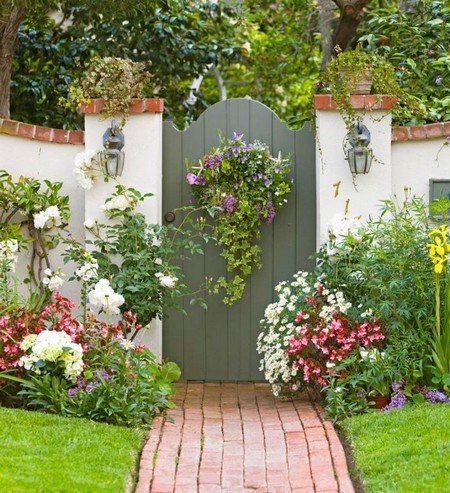
Gates. Whether they are part of an existing fencing system or just free standing, a gate will add an architectural detail. Wooden, iron, plain or whimsically decorated let the gate reflect your personality.

Gates

Gazing globes. Beginning in Victorian times gardeners have tucked these decorative spheres into their gardens. Available in a wide array of colors and sizes ranging from 10 to 14in, place one on a pedestal and watch how suddenly things begin to look magical.

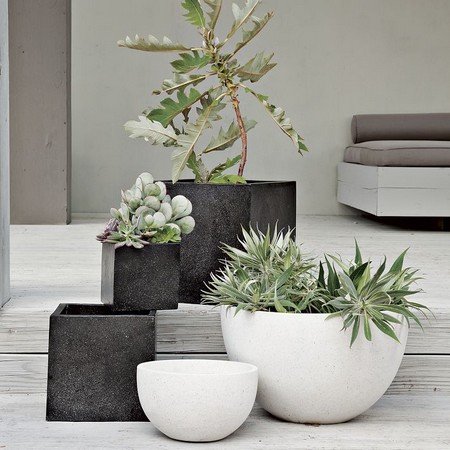
Decorative planters. Terracotta, stone, metal or resin – plain, colorful, textured or a whimsical piece. Placing decorative planters filled with beautiful flowers within your garden adds interest and a focal point. These can be moved around the garden or replanted later in the season with new plants.

There are so many types of planters to choose from, just have some fun with them. Also, any container you happen to have whether it’s an old watering can or one lone rubber boot can be made into a decorative container as long as it has some type of drainage.

Planters

Garden statues. Choose from cherubs, religious figures, lions, birds or frogs. They can be large or small made of marble, stone or resin. Adding one or several give interest and whimsy to any size garden.

Fountains. Water is a necessity in the garden; therefore having a fountain just seems natural. They provide a soothing sound and become a beautiful accent. The most common styles include; wall mounted, free standing, single basin and multi-tiered.

Furniture. Place a bench in or near a garden and it immediately says, “Sit, relax and enjoy”. Choose materials ranging from cedar, pine to metal, buy something new or scrounge around your attic or basement for an older piece not being used anymore.

Sofa

Birdbaths. A functional and decorative focal point. Most commonly seen birdbaths are shallow simple basins that sit on a pedestal, usually made of cement, porcelain or plastic. Mini versions are becoming popular for placing on patios and walkways.

Birdhouses. Found at nurseries, home improvement, discount stores and flea markets, this is probably the easiest of accessories to add. They can be simple square wooden boxes to elaborately detailed versions; you might even try your hand at making your own.

Mount or hang them on a tree, place on top of a pole or simply sit one on an old bench or chair. If your also hoping for them to take on tenants, make sure to check dimensions as different species of birds prefer certain sizes.

Birdfeder

On two trees that sat back away from the house we attached simple rectangular shaped wooden houses with small entrance holes in the front. Each spring we were rewarded with two families of beautiful Blue Birds making a home in those houses. Watching mom and dad first preparing the inside then little heads peeking out and finally the first flight was marvelous.

Sundials. Here’s an accent that may not be common but has been around since early civilization. Of course in the beginning their sole purpose was to measure time. You can still mark time with them but what a unique decorative accent they’d make in your garden.

Sundial

Stepping stones. Another fun way to accessorize your garden. Even if you don’t use them to walk on one or two placed amongst your plants look wonderful. Plain or decorated with a picture, pick whatever suites your garden.


4 Eco-friendly ways to use an 8×6 shed

0

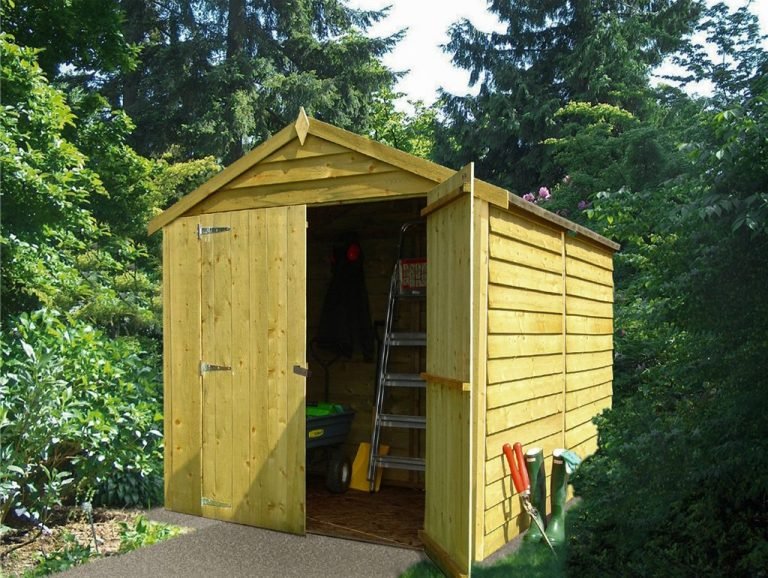
Owning a shed can be a great asset to any property. It can be used for so many different things such as a storage unit, an artist or yoga studio, a playhouse, or a relaxing retreat. If you love spending time in the outdoors, it can be wonderful to have a greenhouse, shed, swimming pool, or a big deck to enjoy during good weather. Did you know that there are ways that you can also use a shed in an eco-friendly manner? This article will provide some creative ways that you can do so in 8 x 6 sheds.


  • Shed with a greenhouse attached. Owning a shed with a greenhouse attached is a dream come true for any eco-lover. Building your own greenhouse or shed with materials that you can find on your own or at your local hardware store will prove to be a rewarding experience. If you are unsure of how to build a shed on your own, you can hire a company to pull off your vision for you, but the experience may not be as rewarding.
  • Garden studio. Adding a garden studio in a shed form to your property is a great idea. It can be a way to grow produce, fruit, and herbs that will help feed your family for a minimal cost. To build a budget-friendly garden studio, use materials that have been reclaimed from other projects. For example, if you know someone who is getting a new fence installed, ask if you can take the old wood. You can repurpose the wood and use it as the frame of your garden studio. This will cost you very little and will help your friend dispose of the old wood fence in a sustainable way
  • Shed made of recycled materials. You can be creative and make a shed out of practically any type of recycled materials you can find as long as you have the materials in abundance. Some people have been creative enough to use old wood pallets, metal car hoods, or even plastic bottles. Instead of throwing all of these items in a landfill, people have decided to help the environment and repurpose these items into a usable shed. Now that is being friendly to the environment!
  1. Whimsical shed. If you love the book Hansel and Gretal, you could build a shed that has a whimsical feel to it. A company that specializes in unique, one of a kind sheds will be able to help you make your dream a reality. To be eco-friendly, your shed builder will likely use recycled and sustainable materials that will last a long time. It may cost you a pretty penny but it will be remarkable and the talk of the town.

There are many ways that you can use unconventional materials to make a an eco-friendly shed on your property. While we have listed several ways in this article, you can create your own vision and make your own shed that not only benefits you, but also the environment.

A Fall Garden Decorating For Halloween

0

A Fall Garden Decorating For Halloween – There’s no better time to enjoy the spectacular beauty that nature has to offer than during the fall season. This is an ideal occasion for entertaining friends and family, especially around Halloween. Why not take advantage of all the vibrant colors and stimulating textures that fall provides by creating a garden themed around this exciting holiday.

Halloween parties provide a great opportunity to bring the bountiful harvest from the garden indoors; or better yet, invite guests out into the garden instead. Bathe the garden or patio with soft lights. Set fall or Halloween-colored votive candles inside small jars or glasses and place them on terracotta saucers adorned with colorful leaves. These charming, little lanterns can be used as attractive centerpieces for tables or scattered throughout the garden.

Halloween8

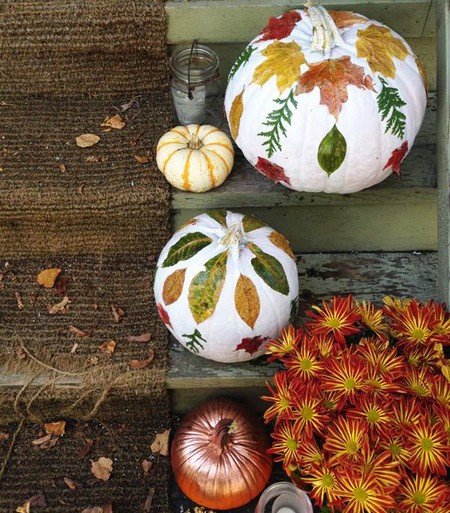
Pumpkins are an absolute must for decorating a Halloween garden. Create a variety of Jack-O’-Lanterns and spread them throughout the surrounding landscape. Light them up with candles. You could also choose to hollow out varieties of pumpkin, gourd, and even squash to use as festive containers for cut-flower arrangements. Fill them with various mums, Chinese lanterns, stems having berries attached, sunflowers, dried peppers, twigs, etc. Wicker harvest baskets also make lovely containers. Gather a few bales of hay or straw, add some corn stalks and pumpkins, and accent with Indian corn and small decorative gourds. For additional interest, you could cover tables with old burlap sacks. Create cozy seating around these tables; or perhaps, self-contained, rock fire pits.

Halloween2

Fall-themed gardens are generally rich with colors such as crimson, gold, dark green, and burnt orange. These beautiful colors result from a variety of flowers, foliage, berries and seed heads. In keeping with a traditional Halloween theme, there are several ways to accomplish a spook-tacular garden. If you desire, your focus can be centered on orange and black.

Halloween1

However, too much dark color can result in making the garden dull and unappealing. Your goal is to achieve an inviting atmosphere. Good choices for adding orange color might include zinnias, marigolds, tiger lilies, Gerber daisies, poppies, and butterfly weed. Near-black beauties could include a variety of tulips and irises. Don’t forget to throw in some orange and black-colored pansies as well.

Halloween4

Keep in mind, however, that a Halloween theme does not need to be limited to just these colors. Flowers that are deep maroon can also help set off your Halloween effect. Look for these shades in favorite varieties of cosmos, bachelor buttons, or snapdragons. Complimentary colors such as orange mums and purple asters can add additional interest. Mix in some gray or blue grasses.

Likewise, try implementing some dark maroon roses in the garden; allow them to climb along an old iron trellis. Place stone benches in various areas for seating, allowing different views, and maybe a nearby water basin to wash away troubles. Additionally, you might want to include plants that have creepy names such as devil’s tongue, blood lily, spider orchid, bat plant, bleeding heart, bloodroot, etc.

Halloween5

Did you know that at one time having certain plants within your garden made you guilty of being a witch? Many types of herbs, weeds, and flowers were once considered to be used solely by witches for making up magical potions and spells. Some of these included hellebores, lavender, poppies, dandelions, and even ferns. Foxglove, known also as witches thimbles, and yarrow, referred to as devil’s nettle, are also commonly grown plants in many gardens today that have a ghoulish connection with witchcraft.

Just for fun you might consider designing a witch’s garden filled with various herbs. These gardens are generally circular in shape as it was once believed a sacred symbol by witches. Plant rows of red beauties around the perimeter of the garden. Red blooms were said to keep out evil doers. Try geraniums, zinnias, nasturtiums, red spider lilies, or firecracker flowers.

Halloween7

On the other hand, if you’re wishing to ward off a witch, try a border filled with vibrant yellows and rich greens. There are many varieties of flowers such as marigolds, sunflowers, green zinnias, etc. and foliage plants such as hostas, ornamental grasses, or evergreens that will achieve this effect easily. Within the witch’s garden you may find an array of native plants.

Add further interest and drama by incorporating ornamental plants as well. Enhance your theme with various features such as gargoyles, toadstool ornaments, broomsticks, and small cauldrons. Allow these objects to crawl out from beneath or behind plants to create an air of mystery.

Halloween3

A fall garden can easily be designed to fit a Halloween theme. With only a dash of imagination and a few Halloween-related props, you can create an autumn garden that will amaze your family, friends, and neighbors. Happy Halloween!

Halloween9


Planting On Specific Locations

0

Planting On Specific Locations – Most places in the garden are improved by a plant, or group of plants, grown in attractive container. Often, the restricting factor is how many plants you can manage to water without it becoming too much of a chore. Give priority to sites that are constantly in view, or near the house. If the side walls of the building can be drilled safely, secure attractive wall baskets, hayracks, and hanging baskets to them, ideally near doorways, or above paths where they can be enjoyed, as well as easily watered and looked after.

Position-plants

Doorways are very important places, especially the front door where plants should be welcoming. The plants need not be tall or expensive specimens. Front doors often have steps leading to them, and a tiered array of plant-filled pots sitting on the steps will give an informal welcome. Elsewhere in the garden, a flight of steps, or maybe just a single step, can be brought to life with a pot overflowing with trailing plants.

Position-plants3

If you are fortunate enough to have a porch, deck, or veranda running along a side of your house, this makes a perfect place for some groups of containers. Use weathered terracotta, stone, or wood containers that will blend well with the walls and flooring of these structures. If you want to protect the floors, use plant-pot saucers.

It is always a pleasant surprise to come across container plantings unexpectedly: To turn a corner and see a path bounded by pots of colorful annuals or more subdued, clipped box trees; to walk through a dense screen of shrubs and find a comfortable seat beside a quite pool, surrounded by pots of blue African lilies or plumbago; to walk out of the kitchen door and find yourself among a host of pots filled with aromatic, culinary herbs; to suddenly notice a small window box discreetly perched on the ledge of an old, ivy-covered brick wall, in cool shade.

Position-plants1

Search out the special places in your garden, where an imposing pot or urn could be used as a focal point. It might be at the end of a long, straight path against a formal evergreen hedge, or opposite a door from the house, or a large window overlooking a paved patio or terrace. Like statues, containers are important garden ornaments and their plantings need to be carefully considered so that they will both stand out and relate well to the surrounding planting schemes. Sometimes a simple planting of just one type of plant, species, or variety may well be the answer, especially if the container, itself, is strongly architectural or highly decorative.

Plumbago

Plumbago

Make sure that a tap or source of water is never too far away from the site you choose for containers. It is all too easy to give up on plants if you have to carry a watering can a long way, particularly in hot weather when they need watering most frequently. Nothing looks sadder than a neglected pot of plants. But then nothing looks better than a group of pots, or even just a simple, single urn, tub, or window box, positioned in the right place, and planted with an eye-catching scheme.

Position-plants5

Container Garden Ideas

0

Container Garden Ideas – Container gardens can create a natural sanctuary in a busy city street, along rooftops or on balconies. You can easily accentuate the welcoming look of a deck or patio with colorful pots of annuals, or fill your window boxes with beautiful shrub roses or any number of small perennials. Whether you arrange your pots in a group for a massed effect or highlight a smaller space with a single specimen, you’ll be delighted with this simple way to create an indoor or outdoor garden.

Containers4

Container gardening enables you to easily vary your color scheme, and as each plant finishes flowering, it can be replaced with another. Whether you choose to harmonize or contrast your colors, make sure there is variety in the height of each plant. Think also of the shape and texture of the leaves. Tall strap-like leaves will give a good vertical background to low-growing, wide-leafed plants. Choose plants with a long flowering season, or have others of a different type ready to replace them as they finish blooming.

Containers9

Experiment with creative containers. You might have an old porcelain bowl or copper urn you can use, or perhaps you’d rather make something really modern with timber or tiles. If you decide to buy your containers ready-made, terracotta pots look wonderful, but tend to absorb water. You don’t want your plants to dry out, so paint the interior of these pots with a special sealer available from hardware stores.

Cheaper plastic pots can also be painted on the outside with water-based paints for good effect. When purchasing pots, don’t forget to buy matching saucers to catch the drips. This will save cement floors getting stained, or timber floors rotting.

Containers7

Always use a good quality potting mix in your containers. This will ensure the best performance possible from your plants.

If you have steps leading up to your front door, an attractive pot plant on each one will delight your visitors. Indoors, pots of plants or flowers help to create a cozy and welcoming atmosphere.

Decide ahead of time where you want your pots to be positioned, and then buy plants that suit the situation. There is no point buying sun lovers for a shady position, for they will not do well. Some plants also have really large roots, so they are best kept for the open garden.

Containers11

If you have plenty of space at your front door, a group of potted plants off to one side will be more visually appealing than two similar plants placed each side. Unless they are spectacular, they will look rather boring. Group the pots in odd numbers rather than even, and vary the height and type. To tie the group together, add large rocks that are similar in appearance and just slightly different in size. Three or five pots of the same type and color, but in different sizes also look affective.

With a creative mind and some determination, you will soon have a container garden that will be the envy of friends and strangers alike.

Containers5

Containers1

Containers2

Containers6

Container12

Sign And Symptoms Of Common Tree Diseases

0

Sign And Symptoms Of Common Tree Diseases – You give them the best soil, the right food, and plenty of sunshine but sometimes even trees can get sick. Trees are susceptible to a variety of infestations and diseases. If you suspect that your tree is infected, there are several signs to look for. Here are some of the most common diseases.

Root rot

Soil with poor drainage is the cause of root rot. Low lying areas that are prone to flooding during the rainy season are also susceptible to this disease.

Root-rot

Keep this in mind when you are spacing your landscaping. Discolored leaves, wilt, and soft spots are usually precursors to tree death. Planting trees and shrubs away from downspouts and swales will reduce the occurrence of wood rot.

Rot

Powdery mildew

This sort of disease will manifest itself in the form of white fungal powder on tree leaves. It is usually caused by high humidity and poor air circulation. It is also highly contagious and will spread from one tree to the next if left untreated. High-walled gardens, overcrowded landscaping, and poor drainage will contribute to the spread of this disease.

Powdery-mildew

Seiridium canker

This disease is particular to the Leyland Cypress. Drought and heat stress usually precede this disease. If discovered early, it can be controlled by pruning the affected branches. Prevention involves a schedule of regular watering but if the damage is too widespread, removing the tree may be your only option.

Seiridium-canker

Fire blight

This disease affects members of the rose family including apple, crabapple, and pear. Shoots will suddenly turn black and die. It usually appears between April and June during blooming. A treatment of nitrogen in the summer can increase your tree’s immunity to fire blight. Pruning branches at the earliest sign of damage can prevent the spread of the disease but make sure to clean your tools afterward with isopropyl alcohol. Fire blight is highly contagious but there are resistant varieties available on the market today.

Apple-fire-blight

Preventative maintenance

Keeping your landscaping clear of debris is a simple way to prevent diseases and infestations. Every spring, make sure to clear out dead leaves and foliage leftover from winter. Replace old mulch to prevent mold and fungi from growing.

Give Your Trees The Nutrients

0

Give Your Trees The Nutrients – Beautiful, full trees provide shade during the hottest parts of the day. Their presence in your backyard can lower your air conditioning bills and help create an oasis in your garden. However, when a tree near your home gets sick, its removal can be an unwanted expense. So what can you do to ensure the trees in your backyard continue to thrive for years to come? Here are a few tips about tree fertilizer. Giving your trees the nutrients they need is an easy way to help maintain them.

Soil nutrients

In a perfect world, your trees will simply take the nutrients they need from the nearby soil. Unfortunately, it doesn’t always work that way. Soil contains macronutrients like nitrogen, phosphorus, potassium, magnesium, calcium and sulfur. But when the soil is deficient of one of these critical nutrients, your trees may be more susceptible to disease and insect problems.

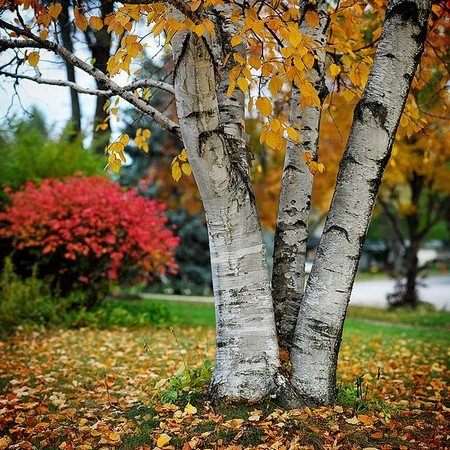
Birch

Trees that don’t receive the right levels of nutrients will also struggle to reach their full growth potential and likely have shortened lifespans. By using fertilizer, homeowners can help ensure their trees are getting the nutrients and macronutrients necessary, but how do you know whether your trees need a little fertilizer assist?

Soil testing and tree appearance

Many county extension offices offer soil testing services. These agricultural experts can examine your soil to determine what macronutrients are needed to maximize tree growth and health. Experts recommend testing soil before planting a tree, but if your backyard is filled with mature trees planted long before you arrived, an extension office can still test your soil and let you know what type of fertilizer will provide exactly the right mix of nutrients for your trees. Experts also recommend having the soil near your trees tested every 3-5 years.

Fertilizer-trees

A tree’s appearance is another way to determine whether fertilizer is necessary. If the tree’s leaves are yellow or off-color, that may indicate the tree is hungry for some nutrient it’s lacking. A soil test can narrow down exactly which nutrient is necessary. You can also track shoot growth on established trees. If shoots from the tree in the current year are more than 6-inches, your tree is probably healthy and you can forego using a fertilizer. If shoot growth is between 2 and 6 inches, the need for fertilizer is debatable. However, if shoot growth is less than 2 inches, this is a pretty good signal that the tree is lacking some nutrient. Slow shoot growth typically means your tree needs nitrogen.

Fertilizer-trees1

When to fertilize?

Most trees grow in a burst in early spring and then growth slows through summer and fall. Knowing this, the best time to fertilize most trees in early spring before the burst of growth takes place. However, if you notice that a tree’s growth appears sluggish in summer or fall, tree fertilizer can be applied anytime during the growing season. Just make sure to water after application.

Acalypha Plant

0

Acalypha Plant – There are two distinct groups of Acalypha. The more popular type bears long tassels of tiny flowers amongst its plain foliage and the other type has colorful foliage with insignificant blooms. All Acalyphas are woody shrubs which are quick growing but are unfortunately difficult to overwinter in the average room. The problem is the high humidity requirement which can be readily satisfied in the greenhouse or conservatory, but not in the home.

When the air is dry, leaf drop occurs and red spider mites flourish, so the usual practice is to take cuttings each year to provide a regular supply of young and vigorous plants.

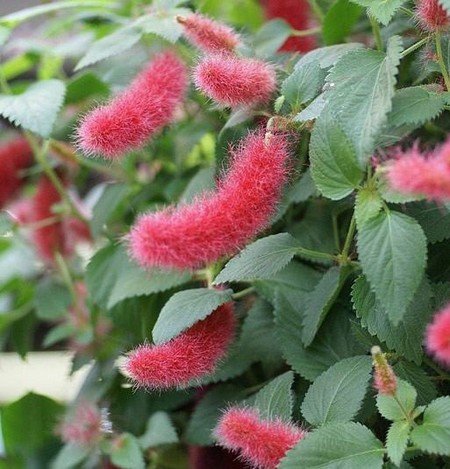
Acalypha-hispida

Acalypha hispida

Remove dead tassels from old plants and prune back to half size in late summer or early spring.

Acalypha hispida (Chenille plant or Red-hot Catstail) is a tall shrub which can reach a height of 6 ft or more. Chenille plant is dioecious, meaning that the staminate (male) and pistillate (female) flowers are on separate plants. The pistillate flowers are purple, bright red or crimson, and clustered in velvety catkins, 8-20 in long and an inch in diameter. They are dense and fluffy, like a cat’s tail, and they appear intermittently throughout the whole year as long as conditions are favorable. The long drooping spikes appear in late summer and fall – the usual flower color is red but an unusual white variety is available (Acalypha alba).

Acalypha-hispida1

The bright foliage Acalypha is A. wilkesiana, popularly known as Copperleaf because of the coppery-red 5 in long leaves which cover the 4 ft shrub.

There are several fine varieties, for example Acalypha godseffiana (green edged with white) and mosaica (red, orange and copper).

Acalypha-mosaica

Acalypha wilkesiana ‘Mosaica’

Secret of success

Temperature: Average to warm 65-80°F/18-27°C

Light: Bright light is essential for good leaf color. Protect plant from direct sun, which may cause brown scorch marks on the leaves.

Water: Keep the soil moist at all times, but take care not to overwater. Soggy soil will cause this plant to wilt. Use a pot with a drainage hole.

Acalypha-hispida2

Acalypha hispida in hanging baskets

Air humidity: Moist air is vital. Surround the pot with damp peat or stand on a pebble tray. Mist leaves frequently.

Repotting: Repot in spring every year. Large plants should be top-dressed rather than repotted.

Propagation: Take 3 in (8 cm) stem tip cuttings in early spring and pot them in equal parts coarse sand and peat moss. Use a heat mat to maintain a steady 75°F/24°C.

Acalypha godseffiana

Acalypha godseffiana

The Best Indoor Trees

0

The Best Indoor Trees – Trees are great things to have in your yard. They clean the air, they give shade and privacy, they are great for climbing and they are beautiful to look at as well. While many trees are just too big to think about growing inside, there are many trees that make wonderful accents to the inside of your home. Here’s just a few: 

If you like more of a desert type tree then the Yucca is for you. They have thick woody stems and pointy leaves that come in a variety of blue to blue green colors and have yellow, cream or white tones to them too.

Tree-indoor

If you like big bold statements you’ll want a Fiddle Leaf Fig tree in your living room. These trees have large sculptured leaves that give the air of the tropics without being weepy or wispy. These trees love light but don’t like drafts so keep them away from windows and doors and you’re good to go.

Fiddle-Leaf-Fig-Tree

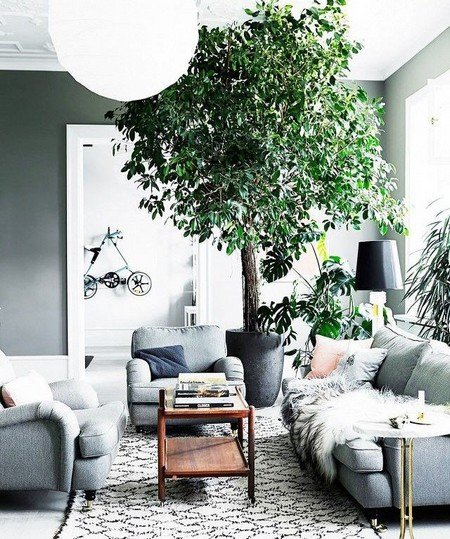
The Ficus is perhaps the most popular indoor tree there is, heck, they even make a fake version that you just dust once in a while and forget about. The real version is actually a weeping fig tree if you want to get technical, and they come in different textures and heights so they’re perfect for any room, any where.

Ficus

Love the tropics but live where there seems to be perpetual winter? Then what about adding a Majesty Palm to your home? They are fan shaped and have that tropical feel to them and best of all they are slow growing if they aren’t getting strong sunlight. Throw on the heat, watch the palm tree and pretend you’re on the beach, even if it is January and there is a blizzard waging outside.

Palm1

If you want a touch of Christmas in your home year round, what about a Norfolk pine? They are essentially baby Christmas trees that love bright light and moist soil. At Christmas time you can decorate them with little bows or fairy lights, but they make a great addition to any room year round.

Norfolk-pine