Enjoy This Summer In The Water Garden!

0

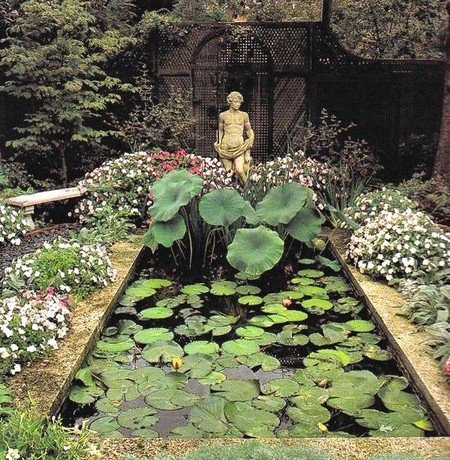
Enjoy This Summer In The Water Garden! – If this is the first time you’re attempting the water gardening, perhaps you should start with a moderate size pond instead of one huge one. After all, you can add on to the size of the pond later if you want, whereas if you do not like it it’s also cheaper to remove a smaller sized pond.

Having a pool of body in your own backyard is not as easy as just digging and filling it up with water, because the water will ultimately seeps back into the soil. Therefore you’ll need to use a liner for your pond, which can be obtained from your local garden center, think of it as a smaller version of a swimming pool.

After you have fit the hole with liners, you are ready to start planting! One of the easiest plant to start off with is water lilies. Their unique root system is what made them float on the surface, and they usually comes in a variety of different colors!

Water-garden5

Water lilies are very beautiful and makes for a lovely water garden. One important thing you should know about them is that they are actually very delicate and can only thrive in warmer weathers, which made for a great summer garden display.

One possible drawback of having a water garden, especially in the warmer weather is the possibility that you might attract mosquitoes to breed in the water. Therefore equip yourself with this knowledge and actively seek them out.

Water lilies are just one kind of water gardening, with research and proper gardening materials you can even add more plants to your garden.

Water-garden1

Water-garden4

Water-lily

Waterlilies

Water-garden6

4 Ways That Building a Garden Shed on Your Property Can Be Of Benefit

0

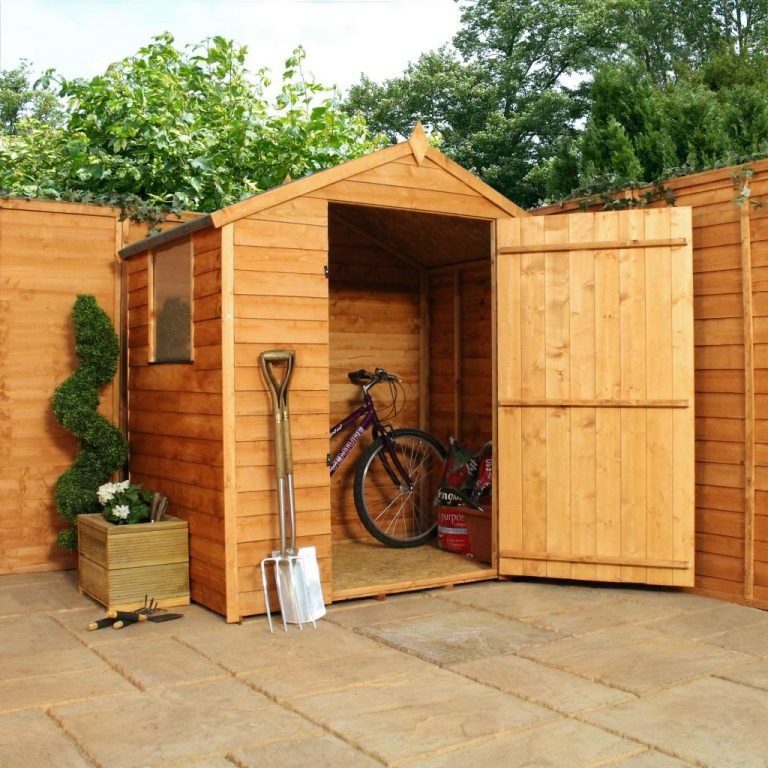
Gardening is a rewarding process and people who are serious about it discover great delight in growing their own plants and vegetables. However, serious gardening also requires a lot of work and having a garden shed as a workstation is a great thing. While many think that building a garden shed is difficult, the truth is that it is actually very easy.

You can easily setup your garden shed with   https://ilikesheds.com/cat/plastic-shed/. And while there are still some who thinks a garden shed is just more work with no long term benefit, many people are already enjoying their garden sheds and have used it for many purposes, across different seasons.

Here are the top 4 benefits of a having a garden shed built on your property.

  1. It Provides Added Storage Space

One of the primary functions of a garden shed is for storage. It is here that you store your garden tools and other equipment. You can say goodbye to days when you need to drag your lawn mowers from your garage to your lawn or backyard or find it difficult to access tools from your storage area inside the house. A garden shed offers space and accessibility and this is bliss for someone who knows the challenge of storing and accessing tools and equipment.

  1. It compliments the garden

For purpose of aesthetics, the presence of a garden shed is an undeniable great addition to every garden. While not everyone might agree, but serious gardeners know that a garden shed is a crucial component of a garden. If built just the right way, the shed will complement the garden’s looks and even enhance it. With a garden that’s pleasing to the eyes, everyone will love visiting it and caring for it.

  1. Additional Work Area

The garage is for cars so why would you do your gardening- related chores there? With a   garden shed, you will have the right space to do your gardening works. Just put some electricity and good lighting and you can even turn it into another workshop for your other projects. When you have some projects that need some drilling, cutting or welding and you have to spare your family from the noise, you can do it in your garden shed.

  1. Can Be Used as a Winter Garden

Winter doesn’t have to be the reason for any gardener’s sadness and a garden shed may just be the answer. When it’s all snowing and the soil outside is not up for planting, placing soil inside pots and placing them inside your garden shed may do the trick. The shed will provide sufficient protection and warmth with the use of bulbs to allow your plants and vegetables to grow while the winter rages on.

There are endless possibilities in the use of garden sheds and it doesn’t need to be hard to do. With the right garden shed materials provider, you will get your garden shed up in no time.

4 Reasons to Build a Log Cabin on your Property

0

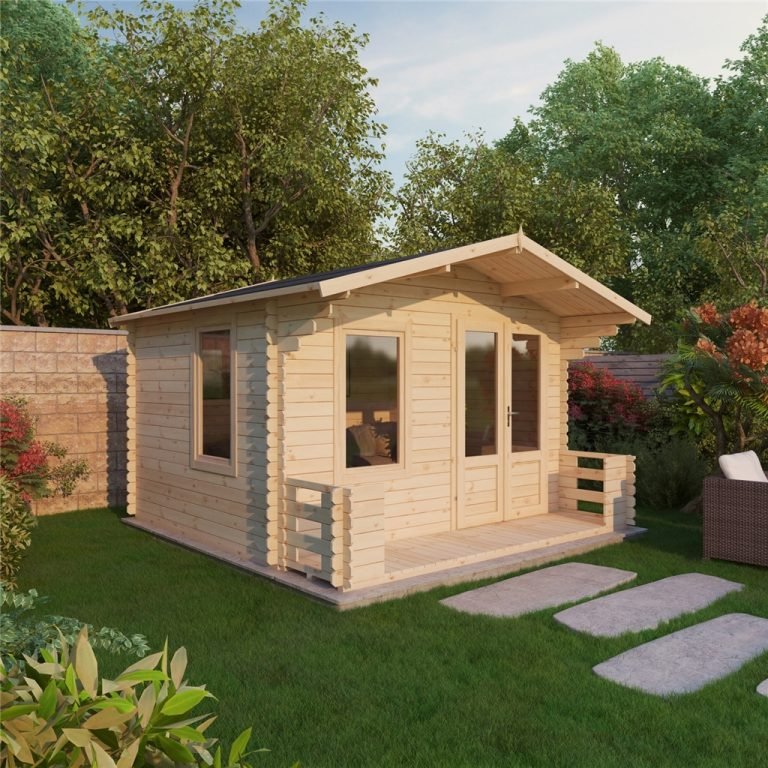
Constructing log cabins and actually living in them provides many opportunities than you may not even be able to imagine. With the sophisticated architecture and relaxing ambiance inside the log cabin, you can easily relieve all your stress from work and the busy city traffic. Another advantage of having your own log cabin is that you can have your own private place to unwind without paying for the usual cabin rental fees.

Although building your first log cabin may sound challenging to you, all the efforts and money that you have invested will surely be worth it once you can enjoy your own space for relaxation. After having a log cabin on your own property, prepare to live your life like a one big holiday!

If you are still not convinced, read more about the top 4 reasons why you should build a log cabin on your property now.


  1. Care for the environment.

Choosing timber over traditional construction materials (such cement and steel) in building your cabin is actually one of the simplest things that you can do to contribute to a cleaner and greener environment. You can even replace your used logs if you buy your materials from an eco-friendly source. If you are looking for a trusted log cabin company, then consider I Like Log Cabins. I Like Log Cabins offers a wide range of choices for building your own cabin.

Timber logs are renewable materials which do not harm the environment. If you replace a certain piece from your cabin, you can still use it as a fuel source. You can use these old logs for cooking roast dishes or for lighting up your fireplace.

Log cabin construction is also way less harmful to the environment than traditional home construction in terms of energy usage. Also, since it is constructed in a shorter time, the process exponentially reduces carbon emission from construction machinery and hand tools.


  1. Improve your health.

Logs have the natural ability to stabilize air moisture inside the cabin and minimize the growth of bacteria and molds which may cause different kinds of illnesses and trigger allergies.

Studies show that waking up every morning to the sight of nature and natural materials can help uplift a person’s mood and energy. The result is an improved mental and physical health. Similar to the stage of sleep, the feeling of relaxation inside a log cabin can also help the body to repair worn out tissues and to regulate blood circulation.


  1. Cut on the costs.

Log cabins are considered as energy-efficient structures since the logs themselves are good natural insulators. The inside of the cabin stays warm during cold seasons while during summer, the logs help ventilate the area with cool dry air.

Yes, log cabin construction is a major investment. But once it is already completed, you can immediately cut down on the costs. According to studies, you can save up to 20% on your electricity bills on a log cabin compared to a house of the same area but built with modern construction materials. With the right thickness and type of log, you can find that cabins actually reduce the cost of your energy bills compared to maintaining a conventional house.


  1. Get more investment opportunities.

Building a log cabin gives you more options to invest your money. Instead of spending your money on expensive electricity bills and high-maintenance housing units, why not invest on something more meaningful? Invest now on your dream vacation, your children’s education, and family health care plans.

Mediterranean Gardens

0

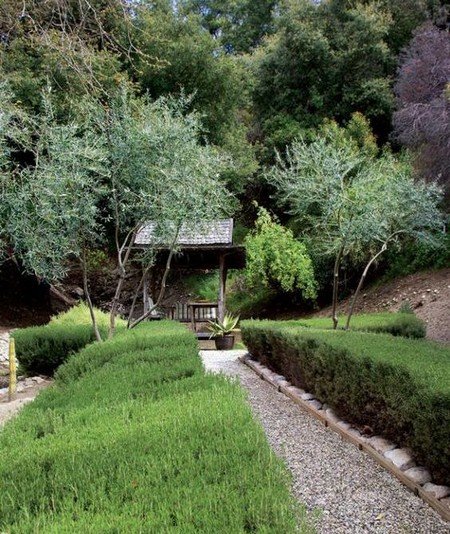
Mediterranean gardens typically features a combination of formal and rustic. These styles reproduce the dramatic landscape associated with Italy, Spain and Greece.

Whilst not all areas are lucky enough to have the Mediterranean climate, it is possible to maintain the native Mediterranean plants with the correct soil improvement and protection during the coldest months. Mulching, composting and improved drainage will help as will covering plants with straw during frost or bringing pots inside.

The lavish foliage and strong colors of the Mediterranean garden provide an impressive setting to even small, courtyard type spaces. Palms, yuccas, aloes, eucalyptus and cypress are commonly used to add impressive foliage and shape, whilst mimosa and jasmine provide color and scent.

Mediterranean1

Herbs in pots or borders add to the sensual experience and can also be used in cooking, which is a major part of the Mediterranean outdoor experience.

Strong colors are carried through from the planting to the landscaping with brightly rendered walls in shades of terracotta and blue. Stonework and tiling is also a common feature with the use of mosaic and mirroring touching on the Moorish influence.

Mediterranean

Jars and pots can be used for planting or just for decoration, again in earthy colors and natural materials such as stone, wood and clay.

Topiary, trellis and pergolas are widely used and allow for shade and scented climbers to encourage outdoor living and eating.

Outdoor furniture is essential in natural materials, as well as bright table cloths and cushions add to the experience of enjoying the outdoor space to the maximum. Natural materials such as rattan or wicker are often used in Mediterranean outdoor furniture.

Mediterranean3

Mediterranean-garden

Mediterranean

Mediterranean2

The top 4 reasons to buy a small shed

0

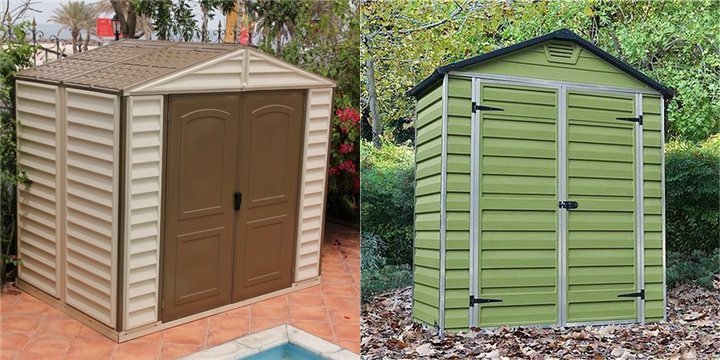
Sheds are a great addition to any home. If your family is running into storage issues, sheds provide a convenient solution. If you have a garden and you need space to store tools and equipment, sheds can come to the rescue. Shedsfirst.co.uk offers a lot of options in different materials and finishes. Not all properties have enough space for a big shed, but it’s okay because you don’t always need a big one. If you have a limited space to set up a shed, consider getting a small one instead. Here are the top 4 reasons to buy a small shed:


  • It’s more affordable

Smaller sheds are less expensive than bigger ones. They’re perfect for houses with small sized backyards looking for practical storage solutions. By getting a small shed, you are also free from securing building permits. They’re typically required for sheds that are of bigger sizes.  If you’re only getting around 4x3ft to 8x8ft of structure, you most likely don’t need permission from your local public works department.

  • It’s low maintenance

Less space to deal with equals less maintenance cost. If you’re using your shed primarily for storage purposes then there’s not much to deal with. It’s just like having an outdoor closet where you take stuff in and out occasionally. Less hassle for you! Of course it doesn’t mean you can leave it unattended especially when issues arise. As with any household item, regular maintenance is a must if you want to keep your things working for a long time. Just know that looking after a small shed won’t break you a sweat.

  • It’s equally functional

Size doesn’t matter when it comes to functionality. Just look at tiny houses that are all the rave in several countries today. If your needs can be covered with just an 8×8 square feet of a plastic shed, then why not opt for that instead? A small shed can efficiently fit in a garden mower on the floor. Shelves and hooks can also be installed to store other items like rakes and brooms. Having a shed is a great way to put all your tools in a central location for easy access. A small space prevents clutter. Ever heard of hoarding problems? Big spaces are magnets for hoarders. Having a small space forces you to eliminate things that you don’t need, keeping only the important ones. It helps a lot in purging and minimizing unnecessary stuff in your house.

  • It’s portable and mobile

Because of its size, small sheds are very easy to assemble and setup. You can also move it anywhere you want in your small yard, if you feel like it. You can grow flowers and trees around it and dress up your shed as a cute rustic garden shed. The possibilities are endless with a small shed. It lets you get creative with it because the scale is not intimidating.

There are a lot of good reasons to consider buying a small shed. It does the job perfectly fine and costs a fraction of their bigger versions.

Grow Fantastic Tomatoes In Containers

0

Grow Fantastic Tomatoes In Containers – Tomatoes can be grown easily in container gardens. Read this article to learn how:

Use large containers. Tomatoes are large plants when they mature. For this reason, your container size should be at least 12 – 14″ in width or diameter. Any smaller container than this and your tomatoes will not last the season. With smaller pots, the plant dries out early in the season and the bloom simply doesn’t happen. The choice is yours.

Whether you want to be stingy now or repent later. Pay for the bigger pot to ensure that you get great tomatoes in August. Good quality soil. Use good quality soil all the way to the bottom of the container. By using an artificial soil mix rather than the garden soil; you prevent the soil from compaction. Compaction stunts the growth of the tomatoes and kills them. The soil should also have the right pH balance for the tomato to thrive fully.

Tomatoes

The soil should be mixed properly and good quality fertilizer should be added at the time of filling the container this is why garden soil is seldom used. Tomatoes need lots of soil with constant watering. You should put in at least six shovels of soil in the container. Any less than that can spell doom for the plant.

Fertilizing. Tomatoes need lots of fertilizers, they need at least fertilizing once a week. This leads to great growth and great yield for the tomato plant. Use a good quality fertilizer that’s available. Both organic and synthetic fertilizers are available in the market. You can also use a liquid mix fertilizer, which assimilates quickly into the soil.

Proper watering. Since the tomato fruit is 95% water, the plant needs lots of water regularly. You have to water the plant regularly or when the soil appears as if it drying out. Don’t be lethargic in watering the plant else your fruit will suffer. In hotter climate, water the tomato plant at least twice a day.

Tomatoes2

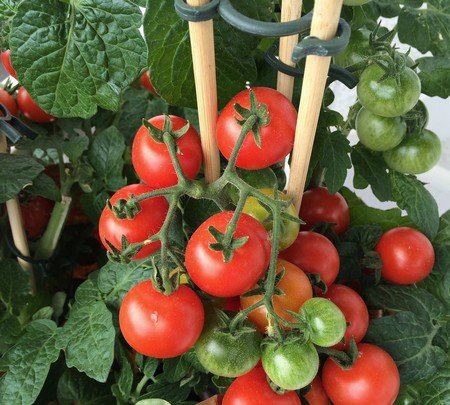
Staking it out. You can grow the tomato plants on stakes and without the stakes. The branches of the tomato plant are easy to break which is why its essential to secure them. By using stakes, you can ensure that they are secured to the stakes. In this way they have less chances of breaking during a windstorm. A windstorm can easily ruin your tomato plant.

You can leave them to flop over the pots but if there are slugs then they will enjoy the tomato fruit as much as you enjoy the fruit. Tomato plants with stakes seem a better option that those without.

Pest and disease control. This is as important as watering. Pest control as well as disease control is important otherwise the fruit will rot even before it blooms. There are plenty of commercially available organic and synthetic pesticides and fungicides, which can combat your woes. Added to this tomatoes need to be pruned regularly.

All other factors remain the same as for the tomato plants, which are grown in the soil.

Tomatoes1

Creating Rosemary Garden

0

Creating Rosemary Garden – Rosemary is an herb that is easy to grow, many beginners of herb gardening generally include a small rosemary garden in their herb gardening plans. You can find them in just about any nursery. Generally, younger plants are cheaper than those which are mature, since it takes sometime for this plant to fill out.

Rosemary herb is grown from seed, cuttings and pre-seeded plants. It you have a friend who enjoys their own rosemary garden, ask for some plant cuttings. Most often you wish will be granted.

Rosemary-garden

Generally gardeners are thrilled to share any seeds or cuttings with other plant enthusiasts. All you need to begin your own rosemary garden is a 2-inch cutting off an established plant. New growth cuttings from rosemary plants often do the very best, although this is not necessary.

Rooting rosemary herb

There are several ways of rooting a cutting. The most effective and quickest means include the use of growth hormone. However, all natural methods are popular today. For instance, dip the cut stem in honey and then place it in a glass of water to root.

Rosemary-garden1

Make sure you remove any leaves, before rooting the cuttings since these will sap the nutrients from the plant while it is rooting. While using a growth hormone, you simply dip the cut stem and then plant it in a seed starting mix.

While going the natural route, wait until roots begin growing before you plant the rosemary herb. Either way is fine. However, place the cutting in an area that is warm and allows indirect sunlight. Keep in mind that the more cuttings you plant the more likely you are to grow a healthy plant.

Tugging lightly on a seedling will tell you if there are any roots growing. Once they do, you will provide them with at least two to three inches of space, while planting them in pots or plots as well as by thinning them out.

Rosemary1

Creating rosemary garden

Rosemary herb can grow in the ground, however not in areas with cold and frost exposure. Rosemary requires six to eight hours of sunlight daily as well as an area that has good drainage. Remember it is easier to over water rosemary than to under water rosemary.

Rosemary gardens do not require the richest of soils, since it will flourish just about anywhere in its native terrain. However, nutrient rich soil does give your rosemary garden a great start.

Rosemary2

While growing rosemary in frost prone areas, you begin by getting the plant use to the outside temperatures and six to eight hours of sunlight daily. However, rosemary will grow under artificial lighting and do well as long as temperatures stay above 30 degrees.

Since a powdery mildew loves the rosemary plant as well, it will grow on the plant and kill it if there is too much moisture. Air circulation is essential. Consider using a small fan to create the much needed breeze for indoor rosemary herb plants to reduce the chances of mildew.

Rosemary-garden2

Rosemary-garden3

Rosemary-garden4

Planting Madagascar Periwinkle

0

Madagascar Periwinkle (Catharanthus roseus) – One of the main drawbacks of growing annual flowering plants in Mediterranean and other dry climate regions is their excessive water consumption. Annuals in hot, dry summer areas require water based on at least 6mm a day, which is 6 liters per square meter. Over the year, this can amount to more than a cubic meter of irrigation water for every meter square – an unviable and unacceptable rate, unless the area planted with annual flowers is reduced to a minimum. Madagascar Periwinkle however, can be successfully grown, creating a lovely carpet of color, on a third, perhaps a quarter of that amount, thereby saving you much water and expense.

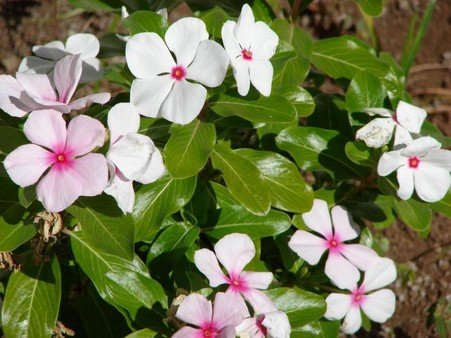
Catharanthus roseus is also known by its common name, Madagascar Periwinkle, or the very misleading Vinca rosea. As the latter is the botanical name for a separate genus of plants, it’s best avoiding in order to prevent confusion. The plants, technically speaking, are perennials, but because they decline as soon as the temperatures drop in the fall, they are generally grown as summer annual plants, except in tropical regions.

Madagascar-periwinkle

There are many cultivars of Catharanthus now available, the colors ranging from pure white, pinkish-white, and various shades of rose and pink-purple. The erect varieties reach up to 50 cm, (20 in) while the trailing types get to about 15cm (6 in) in height. In addition to the impressive and virtually continuous blooms through the summer, the dark green, waxy foliage is also attractive. Grown in bold, broad sweeps, it can create a fabulous effect.

Madagascar-periwinkle3

As Madagascar Periwinkle needs full sun to flower, the darker, stronger hues are more suited to the harsh light of a Mediterranean summer, than the paler, more pastel shades, which are at their best in soft light or shade. White flowers, which may be excellent for lifting up a shady corner, are far less effective in full, brilliant sun.

Other than full sun, the most important cultural requirement for the plants is a well-drained soil. Poor drainage will kill the plants quicker than aridity. This is what makes Catharanthus so suitable to water-conserving gardening, because the plants can be watered deeply but infrequently, together with the trees and shrubs. Such a regime is especially important in heavy, clay soils, where lack of air in the root zone is exacerbated by the constant moisture required by most annual flowers.

Madagascar-periwinkle4

It follows therefore, that consistently adding compost and other organic amendments will create an air/moisture balance in the soil, which is beneficial to the periwinkle. A high organic content also helps to reduce pests and disease by creating balanced population levels between the multitudes of organisms that inhabit the soil, including pathogenic ones.

Madagascar Periwinkle is hardy to chalky and saline soil, and to both aridity and humidity, but nonetheless vulnerable to soil-borne fungi. Unfortunately, the pathogenic fungi establish themselves best when Catharanthus is planted every year in the same spot. It is safer therefore, to rotate the ‘crops’ from year to year, planting water-conserving perennial flowers, and replacing them with the Madagascar Periwinkle, once every few years.

Madagascar-periwinkle1


5 Tips to buying a Greenhouse for your yard

0

Buying a greenhouse for your yard has many great benefits. While it may be challenging to figure out what is the best type of greenhouse to purchase for your yard, we are here to help with some tips. To get started, check out Greenhouse Stores as they have a plethora of information that can help you. In the meantime, here are some tips to help you with the buying process.


  1. Measure. While your yard may seem expansive, it is important to measure the area in which you want to install your greenhouse. Depending on what you plan to put in your greenhouse will determine the size that you will need. Be sure to think of your future needs as well as current ideas for how you will use your greenhouse. It is better to “grow” in to your greenhouse than have to replace it in a few years. If you do not have as much space as you had originally hoped, not all is lost. Consider building a cold frame greenhouse that is small enough to accommodate all types of plants and are primarily used in the spring months.
  2. Additional garden space. It is also important to consider if you want to have additional garden space outside of the greenhouse. You may want to grow some plants inside the greenhouse as well as outside. If this is of importance to you, be sure that you take this into consideration when measuring and planning the greenhouse build. Be sure to leave room to walk and access the greenhouse without having to walk through your outside garden.
  3. Hydration. Keep in mind that you will likely need to have access to a water source so that you can water your garden and the plants inside the greenhouse. It is best to look to see where your water source is so that you can plan your greenhouse build to be conveniently located.
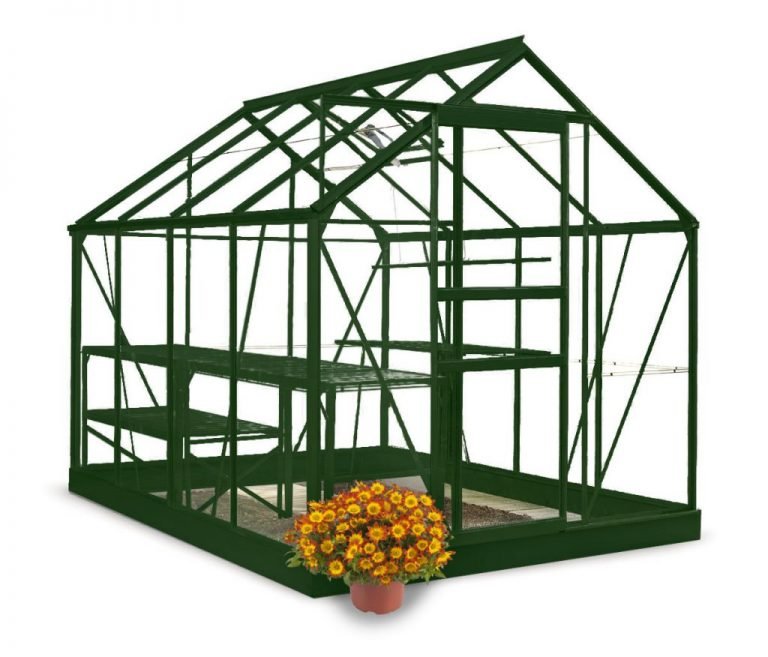
  4. Consider the type of greenhouse you will need. While buying a greenhouse for your yard can be an exciting endeavor, you will have to choose between a variety of options. If you are new to owning a greenhouse, you may want to consider building something like a starter house that is on the smaller to midsize level. A smaller greenhouse is perfect for those who want to have a potting area or are interested in growing starter plants that can then be transferred to the outdoors. If you are a novice gardener and are interested in something larger, a grower greenhouse is a great option. This type of greenhouse is larger than most and offers shelving and allows for you to grow plants and crops to full-term.
  5. Insulation and ventilation. It is important to pay attention to the greenhouse structure and whether or not it offers proper insulation for your climate. In addition, your plants will need to have proper ventilation and you will need to ensure that your greenhouse can provide what your plants need to grow and prosper in various weather elements.

Easy Summer Décor Upgrades For Your Home

0

Photo: finishingtouchdecorbyjenny on Instagram 

With the sun streaming in from the windows and the mercury gradually rising, it’s officially time to transition your décor from the milder spring months to the balmy months of summertime. Whether you’re a die-hard decorator or simply experimenting with a fresh new aesthetic, there’s nothing quite like summery interior design to complete your space. We’ve curated a few key looks to inspire your décor for the season ahead.

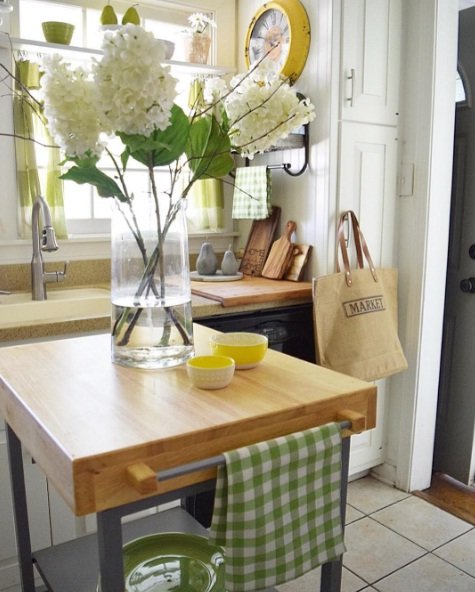
Think soft shades of green and white: Your humble abode may be located in the downtown core, but there’s nothing quite like ivory and lime shades to usher you right into the countryside. As we transition from darker hues, try refreshing your kitchen with a green and white checkered towel, along with fresh white blossoms in a clear crystal vase. Meanwhile, pistachio-hued curtains can flatter the light green shades in your kitchen, and easily complete the look.

Photo: decorsteals on Instagram 

Combine rustic elements with ladylike touches: Whether you’re hosting a garden party or sunning in your backyard, the juxtaposition of sweet feminine accents and woodsy pieces is a perfect mix. For your patio or deck, turn to a rustic wooden table, combined with white wicker chairs and crisp neutral linens. The addition of gleaming white porcelain dishware and fresh flowers truly captures the summer vibes in the air.

Photo: seasideinteriors on Instagram 

Take a trip to the seaside: Sure, the seaside may be just a vision in your mind, but you can easily bring the aquatic hues and peaceful aura into your own home. Transform your living room with bright blue curtains, starfish-printed and striped accent pillows and aqua blue trinkets. Contrasted against white walls and a busy patterned area rug, these elements are just the finishing touches you need.

3 Tips to picking the backpack leaf blower

0

Owning a home is quite an accomplishment but also a responsibility that needs time and attention. When you have a home, you not only have to do maintenance on your home to keep it in working order, but you have to clean and also do yard work. There are items that you can use to help with these tasks and one of the best items to own is a backpack leaf blower. Choosing a backpack leaf blower can be a challenging task. In order to ensure that you choose the best backpack leaf blower there are several things that you should do before making a final selection. This article will identify some tips to help you pick the best blower for your needs.

  1. Size of yard. You will need to take a good look at your backyard landscaping and determine how big the area is that you will need to blow. If you have a small yard, you may be able to sweep up yard debri in a matter of minutes. If you have a bigger yard, it is wise to purchase equipment and tools that can assist in getting a job done in an efficient manner.
  2. CFM. CFM, which means cubic feet per minute will determine the strength of the air that is blown around the yard. For example, if you have a leaf blower that has 375 CFM of power, that means that every minute that you use the blower, you will will push around 375 cubic feet of air volume. If you want to blow fallen leaves and grass clippings, you will want to invest in something that was a good amount of power. The reason that this is important is because you could spend your entire day blowing yard waste around if your blower has a low CFM. To get yard tasks done quickly, you will want a blower with a higher CFM.
  3. Type of blower. There are a few different types of blowers. A handheld blower is the least expensive type and is best for small projects such as patios, driveways, and small yards. Keep in mind that this type has power limits based on weight. A backpack blower is better for more involved projects as the weight of the blower is distributed on the blowers back. These blowers have more power and are great for larger yards of up to 1 acre. If you have more than 1 acre of land, you may want to invest in a walk-behind blower that is great for large yards.

While there are many types of blowers to choose from, investing in a backpack blower is the best bet as it is durable, distributes the weight while using it, and creates a great deal of power to do a good job. The size of your yard, type of blower, and the CFM’s all make a big difference in the output you will receive from this piece of equipment. Be sure to do your research, read reviews, and learn about how the manufacturer’s customer support before making a purchase.

Growing Callistemon

0

Growing Callistemon – Callistemon (or Bottlebrush) is an excellent choice if you want a ‘novelty’ plant, and it is also a good one to pick if you want an easy-to-grow specimen which blooms in summer. With their vibrant, fuzzy-looking flowerheads in summer, Callistemon are instantly recognisable plant. Callistemon are evergreen shrubs with aromatic, linear to lance-shaped leaves and bottlebrush-like spikes of flowers in which the long colourful stamens are prominent.

Callistemon is native to Australia mostly growing in moist soil in open or woodland sites. It does not mind dry air – all it needs is a sunny spot, cool conditions in winter and a good soaking in spring and summer.

Callistemon citrinus will reach about 3 ft high and in summer the cylindrical flower-spikes appear – no petals, just yellow-tipped red stamens. Leaves bronzy when young.

Callistemon-citrinus

Callistemon citrinus

Callistemon linearis is a bushy, medium-sized shrub with linear leaves and red bottlebrush spikes up to 12cm long. Leaves are aromatic when crushed.

Callistemon pallidus (Lemon Bottlebrush) is an erect or spreading evergreen shrub, 2-4m high, with numerous slender branches. The young shoots are silvery or red and covered in silky hairs, as well as narrowly-elliptic, grey-green or dark green, leaves up to 10cm long. Cream or pale yellow flowers, in semi-open ‘bottlebrush’ spikes 10cm long, appear from late spring to midsummer, followed by woody fruit capsules which may persist for several years.

Callistemon-pallidus

Callistemon pallidus

Secrets of success

Temperature: Average warmth – minimum 45°F in winter.

Light: As much light as possible. Shade from hot sun.

Water: Water liberally from spring to late fall. Water sparingly in winter.

Air humidity: Misting is not necessary.

Callistemon

Callistemon viridiflorus ‘Xera Compact’

Planting: Outdoors, Callistemon look more comfortable in shrubs or mixed borders if associated with Mediterranean plants also possessing drought tolerant foliage – these include salvias, hebes, caryopteris and rosemary. They also look nice with flamboyant woody plants such as yucca, palms and tetrapanax.

Pruning: Prune in early spring and stand the pot outdoors in summer.

Propagation: Take stem cuttings in spring. Use a rooting hormone and provide bottom heat. Sow seeds in spring.

Callistemon2

Callistemon1