Colors Of November Garden

0

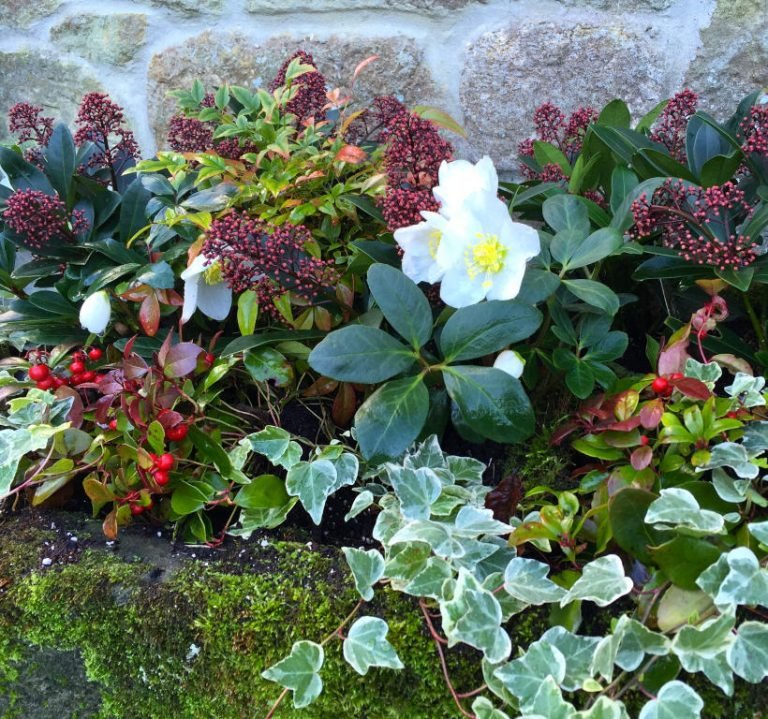
Colors Of November Garden – November is often thought of as the start of the gardening year, the month when traditionally trees and shrubs are planted. But for me, the glory of November lies in the colors. Leaves are turning on the trees and even the dead stems of perennials provide a striking backdrop against a riot of gold, bronze, reds and browns.

Plants for color in the fall

Evergreen shrubs are a must have in the fall garden. As leaves fall, their striking colors provide a focal point for the November garden in this eve-changing season. Some of the best evergreens include Arbutus unedo or Strawberry tree. This compact, slow-growing shrub has flowers and red fruit at the same time in late fall. Erica carnea or winter flowering heather comes in various shades of pink and white and provide a steady burst of color resistant to most temperatures and wind. Viburnum davidii is a small evergreen shrub which has bunches of upstanding berries in a lovely shade of turquoise lasting late into winter.

Strawberry tree (Arbutus unedo)

Skimmia is one of the favorite evergreen shrubs in November garden. Hardy and compact it is invaluable for winter interest. There are several different varieties with flowers ranging from deep red to pale green. Be mindful though that some varieties are unisex, so it takes two bushes to create berries. There also a number of winter flowering Clematis now available if you want to provide some winter interest and brighten up a dormant tree or bare wall. Some of the best include clematis ‘Winter Beauty’ which is evergreen and winter flowering, with bell-shaped creamy-white flowers from December to February. Clematis ‘Lansdowne Gem’ has rich claret colored flowers for several months during winter and attractive seed heads once flowering is over.

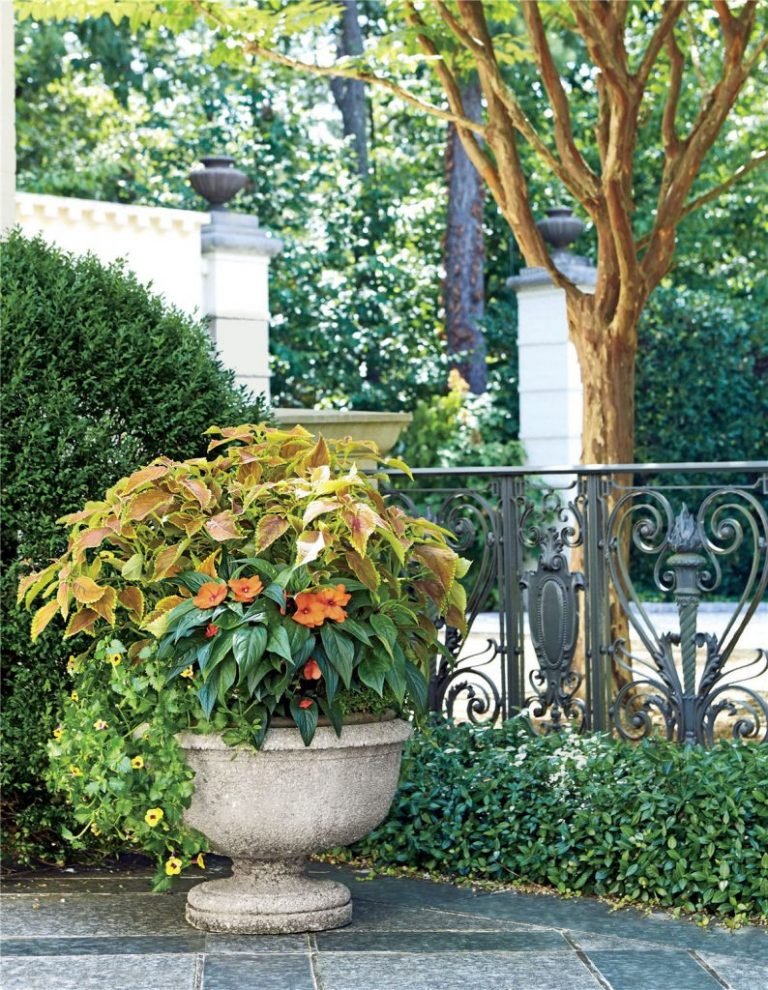
If you have outdoor planters standing empty during the winter months, try some evergreen shrubs such as potted topiary using box. Or you could fill them with winter bedding plants such as ornamental cabbages and winter flowering pansies.

Viburnum davidii

Skimmia

Clematis ‘Winter Beauty’

Freshen Up Your Home With Fragrant Indoor Plants

0

Freshen Up Your Home With Fragrant Indoor Plants – Fragrant indoor plants offer a continuous aroma and is the natural way to keep your home fresh. Everyone’s taste is different. For example, you can choose a spicy, woodsy or musky scent while others are drawn to aromas more sweet and floral. Below is a list of fragrant indoor plants. Try some at home and in the office! To help you find your favorite, we’ve included information that describes the fragrance whenever possible:

Jasmine

Aglaia odorata (Chinese Perfume Plant) – In the dwarf form, this is an easy to grow bush that produces fragrant yellow flowers – as small as a rice-grain – with very strong perfume. The fragrance is outstanding!

Allamanda cathartica (Golden Trumpet Vine) – In Suriname’s traditional medicine, the roots are used against jaundice, complications with malaria and enlarged spleen. The flowers act as a laxative. Yellow allamanda has also an antibiotic action against Staphylococcus.

Alpinia (Ginger) – Their thick fragrant rootstocks resemble the scent of ginger.

Araujia sericofera (Cruel plant) – White fragrant flowers in summer and fall in racemes of 2-4 inches long. This vine is also called “Cruel Plant” as it attracts and traps moths into the flowers in the evening, then releases them as the flower opens in the morning.

Chinese Perfume Plant

Begonias – Some of the hybrids are lightly fragrant – ‘Honeysuckle,’ ‘Jim Wyrtzen,’ Lenore Olivier,’ ‘Tea Rose,’ are at least two species. Solananthera and venosa, are more strongly scented.

Bouvardia ternifolia (Jasmine Plant, Scarlet Trumpetilla) – Ideal for a sunny windowsill. Intensely jasmine-like fragrance and at night the long, white tubular flowers evoke intoxicating evening pleasure. A sun-loving plant from Mexico, flowering intermittently throughout the year.

Brugmansias (Angel’s Trumpets) – Most brugmansias are fragrant except for sanguinea and some of its hybrids.

Brunfelsias (Yesterday, Today and Tomorrow) – Lovely fragrance and smaller flowers that start out dark purple and change to palest light blue.

Buddleja (Butterfly Bush) – These have honey-scented flowers and bloom in the winter indoors.

Buddleja

Bursera – Bursera is a small American genus related to frankincense and myrrh. Their wood is very odoriferous, and their sap is sometimes collected by indigenous people.

Carissa macrocarpa (Natal Plum) – white, fragrant flowers, scarlet fruits

Cassia didimobotrya – The leaves smell like buttered popcorn! Many kinds of these plants produce leather-tanning agents, cough medicine and tobacco flavoring. Senna is also produced, it is a laxative obtained from the foliage and pods of several varieties.

Cedronella canariensis (False Balm of Gilead) – The aromatic leaves are dried for use in pot-pourri with a musky woody scent.

Coffea arabica (Coffee) – Coffeas are handsome foliage plants that produce fragrant, white flowers and are especially decorative when bearing their red fruits, which resemble cranberries.

Scented Geranium

Coleonema pulchra (Breath of Heaven) – While the flowers are not scented, the small, narrow-linear leaves are pleasantly aromatic when they are crushed or brushed.

Coronilla valentina – This plant is attractive to bees, butterflies and birds. It has bloomy leaves and a profusion of yellow blossoms that smell like peaches.

Cryptocereus anthonyanus (Rick-Rack Cactus) – This is a night bloomer and its flowers last for only a single night. It is common that some specimens rarely or never flower, but when they do they produce many white, pink and maroon slender-petaled starburst blossoms. The blossoms begin to open right at dusk, releasing a pleasing fragrance that is intended intended to attract nocturnal pollinators.

Heliotropium arborescens (Cherry Pie) – They produce very pretty, wonderfully fragrant flowers that smell like cherry pie! The flowers cluster up to 8 inches across. They may be deep blue-violet to purple, lavender or almost white.

Banana Shrub

Jasmines – Jasmine essential oil has a sweet, exotic and rich floral scent and the oil is deep orange-brown in color. The small white star-shaped flower’s aroma is most intense at night.

Michelia (Banana Shrub) – It’s covered with small, glossy green leaves and bears clusters of large, white, sometimes purple-streaked, flowers with a potent, sweet banana scent.

Pandanus odoratissimus (Screw Pine) – These don’t produce flowers when they are small, but are often grown for their ornamental foliage. They are easy to grow and make nice houseplants. The fibers from several kinds of Pandanus are used for making rope, baskets, fans, and so forth, and the natives use the fruits as food.

Passiflora (Incense) – is a deciduous plant with fragrant, violet-mauve, lace-like blossoms that are almost 5 inches across. The “Passion Flower’s” outer ring consists of 10 tepals, which are said to represent the ten apostles who witnessed the crucifixion of Christ. Within this circle of petals there is a ring of filaments, which allude to the crown of thorns. In the center, there are five stamens representing His wounds and three stigmas representing the nails. The leaves and whip-like tendrils represent the hands and scourges of Christ’s persecutors.

Pereskia aculeata

Pelargoniums (Scented Geraniums) – The foliage is varied and very attractive and when crushed, give off a strong, aromatic scent resembling rose, cinnamon, mint, lemon, coconut and others. Fresh leaves may be used in baking to add flavor to fruit cups, or in beverages or finger bowls to add an interesting aroma. Dried leaves are used in teas, tisanes, potpourris and sachets. Those commonly grown are somewhat woody perennials with round leaves on short stalks, and bright flowers in big clusters produced from the upper parts of the stem. Other species are annuals or may have a striking succulent form.

Pereskia aculeata (Lemon Vine) – Climbing, leaved cactus with lemon-scented flowers. Fruits that form are edible.

Plectranthus (Spur Flower) – The fragrance of plectranthus is especially noticeable. Most kinds have a warmly sweet fragrance. Cuban oregano is reminiscent of oregano or thyme. The strongest scent is from the Vicks plant. Some herbalists actually use its leaves as aromatherapy for colds and congestion.

Pogostemon hyeanus (Patchouli) – This fragrant herb, with soft, opposite, egg-shaped leaves and square stems, grows from 2 to 3 feet in height, giving out the peculiar, characteristic odor of patchouli when rubbed.

Patchouli

Psidium (Guava) – most varieties have white, scented flowers, lightly scented leaves and edible fruit.

Quisqualis indica (Rangoon Creeper) – This plant flowers throughout the summer with fragrant blossoms that open white, darken to pink and eventually red.

Reseda odorata (Mignonette) – This perennial plant is usually treated as an annual and grown from seed each spring. It is mainly cultivated for the lovely scent of its flowers, which grow in thick racemes up to 2 inches across. The tiny flowers may be greenish white with yellow or orange highlights. The elliptic to spatulate leaves grow 2 to 3 inches long.

Sinningia tub flora (Gloxinia) – The florist’s Gloxinia has been bred to emphasize the large flaring flowers that now come in most colors wither plain or spotted or picotee-edged. The leaves are in a rosette that gives a backdrop for the spectacular flowers.

Stephanotis floribunda (Madagascar Jessamine) – Slender, twining vine, easily controlled. The groups of white, waxy, clustered flowers are very fragrant from spring to autumn, and are commonly used in bridal bouquets, known as the “Bridal Veil Vine”.

Sweet Violet

Tecoma stans (Yellow Bells) – The shrubby types are easier to form into a medium size bush producing sprays of yellow flowers two or three times a year.

Tillandsia (Air Plants) – Some air plants have scented flowers: crocata, duratii, straminea

Trachelospermum (Confederate Jessamine) – Strong , wiry climber with clusters of strongly fragrant, star-shaped flowers. Leaves are shiny, dark green or variegated.

Verbena – Upright or trailing plants with much divided leaves. Flowers in many-flowered clusters.

Viola odorata (Sweet Violet) – Heart-shaped leaves a few inches (5cm) in length almost hide the violet flowers that are about an inch (2.5cm) across.

Zingier (Culinary Ginger) – Some species have scented leaves and rhizomes.

Freshen Up Your Home With Fragrant Indoor Plants

0

Freshen Up Your Home With Fragrant Indoor Plants – Fragrant indoor plants offer a continuous aroma and is the natural way to keep your home fresh. Everyone’s taste is different. For example, you can choose a spicy, woodsy or musky scent while others are drawn to aromas more sweet and floral. Below is a list of fragrant indoor plants. Try some at home and in the office! To help you find your favorite, we’ve included information that describes the fragrance whenever possible:

Jasmine

Aglaia odorata (Chinese Perfume Plant) – In the dwarf form, this is an easy to grow bush that produces fragrant yellow flowers – as small as a rice-grain – with very strong perfume. The fragrance is outstanding!

Allamanda cathartica (Golden Trumpet Vine) – In Suriname’s traditional medicine, the roots are used against jaundice, complications with malaria and enlarged spleen. The flowers act as a laxative. Yellow allamanda has also an antibiotic action against Staphylococcus.

Alpinia (Ginger) – Their thick fragrant rootstocks resemble the scent of ginger.

Araujia sericofera (Cruel plant) – White fragrant flowers in summer and fall in racemes of 2-4 inches long. This vine is also called “Cruel Plant” as it attracts and traps moths into the flowers in the evening, then releases them as the flower opens in the morning.

Chinese Perfume Plant

Begonias – Some of the hybrids are lightly fragrant – ‘Honeysuckle,’ ‘Jim Wyrtzen,’ Lenore Olivier,’ ‘Tea Rose,’ are at least two species. Solananthera and venosa, are more strongly scented.

Bouvardia ternifolia (Jasmine Plant, Scarlet Trumpetilla) – Ideal for a sunny windowsill. Intensely jasmine-like fragrance and at night the long, white tubular flowers evoke intoxicating evening pleasure. A sun-loving plant from Mexico, flowering intermittently throughout the year.

Brugmansias (Angel’s Trumpets) – Most brugmansias are fragrant except for sanguinea and some of its hybrids.

Brunfelsias (Yesterday, Today and Tomorrow) – Lovely fragrance and smaller flowers that start out dark purple and change to palest light blue.

Buddleja (Butterfly Bush) – These have honey-scented flowers and bloom in the winter indoors.

Buddleja

Bursera – Bursera is a small American genus related to frankincense and myrrh. Their wood is very odoriferous, and their sap is sometimes collected by indigenous people.

Carissa macrocarpa (Natal Plum) – white, fragrant flowers, scarlet fruits

Cassia didimobotrya – The leaves smell like buttered popcorn! Many kinds of these plants produce leather-tanning agents, cough medicine and tobacco flavoring. Senna is also produced, it is a laxative obtained from the foliage and pods of several varieties.

Cedronella canariensis (False Balm of Gilead) – The aromatic leaves are dried for use in pot-pourri with a musky woody scent.

Coffea arabica (Coffee) – Coffeas are handsome foliage plants that produce fragrant, white flowers and are especially decorative when bearing their red fruits, which resemble cranberries.

Scented Geranium

Coleonema pulchra (Breath of Heaven) – While the flowers are not scented, the small, narrow-linear leaves are pleasantly aromatic when they are crushed or brushed.

Coronilla valentina – This plant is attractive to bees, butterflies and birds. It has bloomy leaves and a profusion of yellow blossoms that smell like peaches.

Cryptocereus anthonyanus (Rick-Rack Cactus) – This is a night bloomer and its flowers last for only a single night. It is common that some specimens rarely or never flower, but when they do they produce many white, pink and maroon slender-petaled starburst blossoms. The blossoms begin to open right at dusk, releasing a pleasing fragrance that is intended intended to attract nocturnal pollinators.

Heliotropium arborescens (Cherry Pie) – They produce very pretty, wonderfully fragrant flowers that smell like cherry pie! The flowers cluster up to 8 inches across. They may be deep blue-violet to purple, lavender or almost white.

Banana Shrub

Jasmines – Jasmine essential oil has a sweet, exotic and rich floral scent and the oil is deep orange-brown in color. The small white star-shaped flower’s aroma is most intense at night.

Michelia (Banana Shrub) – It’s covered with small, glossy green leaves and bears clusters of large, white, sometimes purple-streaked, flowers with a potent, sweet banana scent.

Pandanus odoratissimus (Screw Pine) – These don’t produce flowers when they are small, but are often grown for their ornamental foliage. They are easy to grow and make nice houseplants. The fibers from several kinds of Pandanus are used for making rope, baskets, fans, and so forth, and the natives use the fruits as food.

Passiflora (Incense) – is a deciduous plant with fragrant, violet-mauve, lace-like blossoms that are almost 5 inches across. The “Passion Flower’s” outer ring consists of 10 tepals, which are said to represent the ten apostles who witnessed the crucifixion of Christ. Within this circle of petals there is a ring of filaments, which allude to the crown of thorns. In the center, there are five stamens representing His wounds and three stigmas representing the nails. The leaves and whip-like tendrils represent the hands and scourges of Christ’s persecutors.

Pereskia aculeata

Pelargoniums (Scented Geraniums) – The foliage is varied and very attractive and when crushed, give off a strong, aromatic scent resembling rose, cinnamon, mint, lemon, coconut and others. Fresh leaves may be used in baking to add flavor to fruit cups, or in beverages or finger bowls to add an interesting aroma. Dried leaves are used in teas, tisanes, potpourris and sachets. Those commonly grown are somewhat woody perennials with round leaves on short stalks, and bright flowers in big clusters produced from the upper parts of the stem. Other species are annuals or may have a striking succulent form.

Pereskia aculeata (Lemon Vine) – Climbing, leaved cactus with lemon-scented flowers. Fruits that form are edible.

Plectranthus (Spur Flower) – The fragrance of plectranthus is especially noticeable. Most kinds have a warmly sweet fragrance. Cuban oregano is reminiscent of oregano or thyme. The strongest scent is from the Vicks plant. Some herbalists actually use its leaves as aromatherapy for colds and congestion.

Pogostemon hyeanus (Patchouli) – This fragrant herb, with soft, opposite, egg-shaped leaves and square stems, grows from 2 to 3 feet in height, giving out the peculiar, characteristic odor of patchouli when rubbed.

Patchouli

Psidium (Guava) – most varieties have white, scented flowers, lightly scented leaves and edible fruit.

Quisqualis indica (Rangoon Creeper) – This plant flowers throughout the summer with fragrant blossoms that open white, darken to pink and eventually red.

Reseda odorata (Mignonette) – This perennial plant is usually treated as an annual and grown from seed each spring. It is mainly cultivated for the lovely scent of its flowers, which grow in thick racemes up to 2 inches across. The tiny flowers may be greenish white with yellow or orange highlights. The elliptic to spatulate leaves grow 2 to 3 inches long.

Sinningia tub flora (Gloxinia) – The florist’s Gloxinia has been bred to emphasize the large flaring flowers that now come in most colors wither plain or spotted or picotee-edged. The leaves are in a rosette that gives a backdrop for the spectacular flowers.

Stephanotis floribunda (Madagascar Jessamine) – Slender, twining vine, easily controlled. The groups of white, waxy, clustered flowers are very fragrant from spring to autumn, and are commonly used in bridal bouquets, known as the “Bridal Veil Vine”.

Sweet Violet

Tecoma stans (Yellow Bells) – The shrubby types are easier to form into a medium size bush producing sprays of yellow flowers two or three times a year.

Tillandsia (Air Plants) – Some air plants have scented flowers: crocata, duratii, straminea

Trachelospermum (Confederate Jessamine) – Strong , wiry climber with clusters of strongly fragrant, star-shaped flowers. Leaves are shiny, dark green or variegated.

Verbena – Upright or trailing plants with much divided leaves. Flowers in many-flowered clusters.

Viola odorata (Sweet Violet) – Heart-shaped leaves a few inches (5cm) in length almost hide the violet flowers that are about an inch (2.5cm) across.

Zingier (Culinary Ginger) – Some species have scented leaves and rhizomes.

How to Take Your Gardening Business to the Next Level

0

Starting a gardening business and maintaining a steady list of clients can be difficult. Trying to expand your gardening business when you’re just getting started can be a challenge as well. However, with the proper approach and knowledge, you can find ways to increase your visibility, diversify your service offerings, and cater to a wider audience. In this article, we’re going to give you a few tips any business can use to take their gardening offerings to the next level.

Use the Power of Social Media

Since gardening is highly visual by nature, using social media to increase your visibility is one of the easiest ways to increase awareness about your services and showcase your work. Try to join as many gardening discussion groups about gardening and share your expertise. This will spark the curiosity of other people and they might refer someone to your services or use them yourself after you’ve shared some advice with them.

Use Instagram to display your best work and make sure you use hashtags properly. Also make sure that you have a nice blog in place to answer people’s questions and show your expertise as well.

Video is also a great medium for anything gardening related. But don’t use it to simply peddle your services; give some useful maintenance and DIY tips. If you manage to be recognized as a pro on YouTube, then people will usually gravitate towards you and your service. Just make sure that the videos are nicely presented and that you do some leg work to promote them as well.

Offer a Loyalty/Referral Program

A loyalty or referral program is also a great way to keep your current clients happy and gain some new clients as well. Ask your existing clients to join your loyalty program and you’ll be able to hit them up with special offers and discounts for referring new people or simply for being regulars. This will allow you to have direct access to your clients whenever you have new offers or when you’re making transitions between the seasons for instance. It’s also a great way to introduce new products and services here as well.

Get Your Own Private Label Products

If you’re using a lot of product, why not go for your own private label brand? Getting your own brand isn’t as complicated as many may think, and it will actually allow you to not only make your business look more professional, but alsogive you a whole new different stream of income as well. Some companies will allow you to use their products, whether it’s a foaming solution, turf colorant, grass paint or soil surfactant, as well as put your name on it. All you have to do next is decide the pricing and see how you could price your items, so you can get a nice margin in return.

Not only will they give your business an air of professionalism when using the products on jobs, they will also allow you to promote your brand indirectly through your products. You could even completely transition to only selling your private label products if they’re a big success. However, you have to make sure that you get your products from a great source. After all, these will represent your brand, and if your products are sub-par, this will ultimately reflect badly on you. Try to go with reputable companies like AmegA Sciences USA who have an extensive track record for top of the line products, including fertilizers and foaming solutions and water conditioners. They will supply you with anything you might need for your business, whether you’re looking for specialty fertilizers, lake and pond dyes, or different agrochemicals. Your clients will then associate the quality of your products with your service, which will ultimately benefit your brand.

Consider Franchising

Do you think your business is franchiseable? Starting a franchise could be a great way to gain more recognition and change your whole business model as well. If you want to go that route, you first have to make sure that it’s actually feasible and that you’re ready to deal with all the administrative load that comes with it. You should also make sure that you weigh the pros and cons of franchising first and check if you have the funds to do so.

Starting your franchising could allow you to step back from gardening work and switch to franchise management instead. However, you have to make sure that you keep your franchisees’ interests at heart and make sure that they don’t cannibalize themselves. Make sure you have clear territory policies to make sure that they don’t pile up on top of each other and compete directly for clients. Also, make sure that you have a great franchisee package, informational resources and services, and reasonable franchise fees.

Use the Power of SEO to Your Advantage

The amount of content that can be created around gardening is quasi infinite. And any type of niche that deals with specific expertise will usually have less of a challenge when it comes to SEO. Make sure that you always keep your site fresh with new content. Whether it’s simple tips on how to protect your lawn and plants for the winter or how to pick the proper leaf blower, the possibilities are almost endless.

And don’t hesitate to guest blog on other sites as well and share your expertise. Most home-related blogs will love to have extra expert knowledge on something like gardening and they will be more open to working with you since you aren’t competing directly with them. Guest blogging is one of the best ways to gain access to a whole new audience and get some traffic to your site. It will also increase the number of links back to your site and improve your SEO rankings as well.

And make sure that you don’t neglect your local SEO either. Gardening is a very local business at its core, and making sure that you have your local SEO on lock is essential if you want to increase your visibility and have a leg up on your competition.

Making sure that your contact information is consistent across the internet is one of the most important points of sound local SEO. The more consistent your NAP information is (name, address, phone number), the easiest it will be for your clients to find you when conducting searches on the local level.

This also means going the extra mile to make sure that you provide the absolute best service possible and that you gather as much positive feedback as you can. If you started on a bad note though, do not panic, as there are always ways to turn things around. First, make sure that you truly commit to offering quality. Next, address the issues and don’t make excuses for them. Answer the critics and show that you’re actually working on the issue. Now, make sure that you encourage your satisfied customers to leave great feedback. Since you should have a loyalty program by now, simply sending them a nice follow up text asking them for their input and feedback will be enough. Satisfied customers will be more than happy to sing your praises and help you turn your brand image around.

Taking your gardening business to the next level can be done if you’re ready to do the necessary leg work and have a proper course of action. These few tips should allow you to increase your visibility, client base, and ultimately, your bottom line.

Lachenalia Plant

0

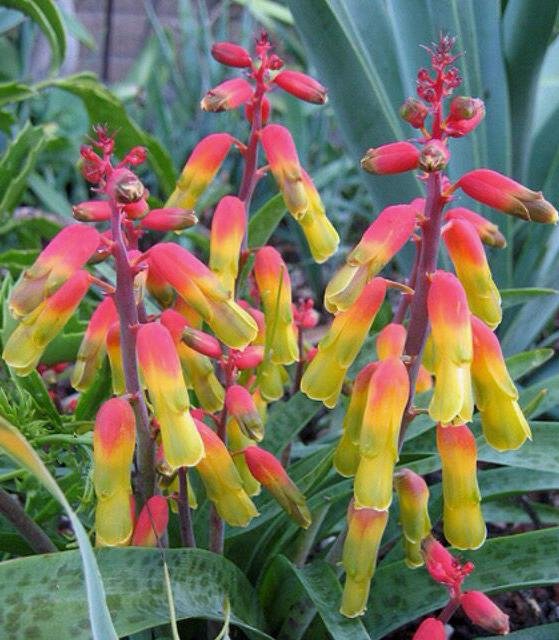
Lachenalia Plant – Lachenalia (also known as Cape cowslip or wild hyacinth) is an attractive perennial plant which provides a host of tubular flowers in winter. It is a winter growing bulb under South African conditions. Despite its novel appearance, Lachenalia has never been popular because of its inability to live in a heated room. Lachenalia is a good container plant and also ideal for a sunny rockery.

In late summer plant 6-8 bulbs in a 6 in. pot with with the tips just below the surface. Choose light soil. A very fertile, loose soil (pH 5.5-7.5) is suitable. You can take 1 part of the sod land, 1 part of coarse sand or perlite, 1 part of the leaf land. Good drainage and a pot with a hole is required. Where areas are loamy or clay-like, work sand into the mix, without adding compost.

Stop watering in November and lift the bulbs in December to store them in holey paper bags until springtime. However, while the bulbs are still in the soil, it’s important not to let the soil dry out completely, as this could trigger dormancy.

Lachenalia aloides

Keep in a cool and bright room, water once and then leave until shoots appear. At this stage water and feed regularly.

Types of Lachenalia

The blooms of Lachenalia aloides are yellow tinged with green and red. They are borne on 1 ft stalks which bear brown or purple blotches. The variety lutea has all-yellow flowers. Lachenalia bulbifera produces small trumpet shaped red flowers. The plant dies down after flowering in winter and early spring and renews annually from the bulbils on the leaves.

Lachenalia lutea

Secrets of success

Temperature: Cool – minimum 40°F in winter.

Light: Bright light with some direct sun. Lachenalia has been showcased on chilly window sills. The western and eastern window fits.

Water: Keep compost moist at all times during the flowering season.

Air humidity: Mist leaves occasionally.

Care after flowering: Continue watering for several weeks, then reduce and stop. Keep dry. Repot in fall.

Propagation: Remove and plant offsets at repotting time.

Lachenalia purpureocaerulea

Pumpkins For Halloween Jack-O-Lanterns

0

Pumpkins For Halloween Jack-O-Lanterns – Pumpkins are the quintessential symbol of Halloween. Children all over America carve or help carve them into Jack-O-Lanterns each year. Next year, try growing your own Halloween pumpkins. Pumpkins, along with their close relatives, squash, are native to the Americas. Like American cities, they sprawl all over the landscape and require a lot of room to spread out.

They fall botanically into one of three categories: Curcurbita moschata, the squash and commercially canned varieties; Curcurbita maxima, the giant ones for contests; and Curcurbita pepo, the miniatures and Jack-O-Lanterns.

Pumpkins take a long time to mature, from 90 to 160 days, depending on the variety. Start seeds indoors 2 to 3 weeks prior to your last frost. You can also direct seed after the date of your last frost. Plant in hills 4 to 6 feet apart or 1 to 3 feet apart in rows 4 to 6 feet apart.

Because they like rich soil, add compost and fertilize with high nitrogen (first number) fertilizer as they begin to grow. Switch to high phosphorous (middle number) fertilizer just before the flowers begin to bloom.

Pumpkins have both male and female flowers on each plant and each flower lasts for only one day. They unfurl at dawn and begin folding in on themselves about midday. By dusk, the bloom is closed in on itself and sealed forever.

Water heavily because they are 80 to 90% water. Watering is best done with a soaker hose to prevent spreading disease.

Leave the two main vines on each plant and selectively prune the side shoots, depending on how much room they have in which to grow. Clip the shoots off when they first develop.

You may need to adjust their position to achieve the symmetrical shape that is so desired for a Jack-O-Lantern. Gently adjust them so that they are sitting on their “bottoms.” Use care when relocating; don’t bend or break the vine. It’s OK to uproot a portion of the vine to relocate the pumpkins, just don’t break or bend it.

Harvest your pumpkins when the fruit deepens in color. Cure in the sun for ten days (cover if frost threatens). After curing, move to a cool place, ideally around 45 to 55 degrees F. Each vine will yield about two pumpkins.

The vines can grow six inches or more in a single day and are the largest vegetable in cultivation. Growing pumpkins for Halloween can be a rewarding way to teach children about gardening.

4 Tips to Good Lawn Care

0

A home that has a neglected lawn looks ugly. It’s actually a clear indicator of an abandoned home. On the other hand, keeping your lawn in good shape requires effort and commitment. This is because the grass will not grow unless it’s well nourished with water and fertilizers. Weeds must also be eradicated to prevent them from spreading. The problem with most homeowners is that they are not aware about the things they should do to maintain their lawn. Here are simple tips that can help you take care of your lawn stress free.

  1. Mow the Lawn Regularly

Cutting the grass more often enhances its growth. This means that you will need to own a lawn mower or you won’t be able to tend to the grass. Hiring electric lawn mowers for domestic use is never economical because you will be using the equipment after every few weeks. When mowing the lawn, you should avoid cutting the grass too low as it will encourage weeds to grow. You should never trim more than the quarter length of a blade. This helps in maintaining a thick grass cover that denies weeds an opportunity to thrive because there are few nutrients in the soil that can sustain their growth. It’s also important you gather the cut grass with a rake and burn it. Leaving it lying around can create breeding grounds for pests and weeds. You can also use the cut grass as mulch in your vegetables and fruits garden.

  1. Watering the Grass

Grass that’s not watered regularly tends to dry fast. You should therefore make sure that your lawn is watered once or twice in a day during dry weather. This is because high temperatures cause a lot of moisture to evaporate from the soil. You should also avoid watering the grass during wet weather as it might be damaged by excess water. Since you can’t water the grass with a bucket, you should consider installing a sprinkler system because it helps in spraying water uniformly. You can even invest in an automated sprinkler so that the grass will be watered even when you are gone.

  1. Apply Fertilizer

Deficiency in nutrients causes grass to lose the green pigment. In fact, the lack of nutrients often results in patches that are pale in color. You can not use any type of fertilizer on grass. Since grass is a legume, you should top dress with a fertilizer that is rich in Nitrogen. The application of fertilizer should be done a few days or weeks before the onset of the rainy season. This is because the ground water will enhance the absorption of the nutrients of the fertilizer by the soil. Farm yard manure can also be applied sparingly because it’s highly concentrated.

  1. Weeding

Weeds should not be allowed to persist in the lawn. This is due to the fact that they are nutrient guzzlers. As a matter of fact, they cause the grass not to be healthy as they pave way for pests and diseases. If the lawn area is not big, you can use a hoe to flush out the weeds while they are still in their early development stages. But if your home compound is big, you should opt for a weed control herbicide because it’s more efficient.    


Container Gardening In Cold Climates

0

Container Gardening In Cold Climates – Container gardening becomes a challenging task in the winter and during cold weather because soil in a pot could potentially freeze. This is why you have to follow several important tips when trying to create a container garden in a cold climate.

Choose the right containers. There are so many possibilities for plant containers, how do you choose the ones that will withstand the effects of the cold weather? Every container that you pick should have drainage holes that allow the moisture to leave the soil. Adding some rocks, sand or gravel at the bottom of the container before adding the soil will improve the drainage even further.

Choose a material that will remain intact despite low temperatures. Ceramic pots, for example, will possibly crack. Thin plastic is a bad idea, as well. The best materials for cold climate plant containers include metal, stone, concrete, fiberglass and thick plastic.

Choose the right plants. Some plants are very sensitive and incapable of surviving in cold climates. Whether you want to plant flowers or vegetables, the selection of the right plant species will be determining for the outcome of your efforts.

Regional plants are the best ones because they are accustomed to the climate. Refrain from trying exotic species because they will need a lot of heat and sunlight.

Hardy plants that will thrive in cold climates include ivy, coral bells, sedum, smokebush, winter pansies, heather, aster, chrysanthemum, dwarf hemlock, flowering kale, sedge, licorice plant, hens-and-chicks, fountaingrass and strawflowers.

These plants are tough and capable of surviving during the fall and the winter. Make sure you follow the plant care instructions for optimal results.

Taking care of your plants in cold climates. The manner in which you fertilize, water and protect your plants from the cold will determine their growth.

Start fertilizing a few weeks before the first frost date is expected in your region. All of the new growth should take place while the weather is still relatively mild. The cold and the frost will otherwise kill the delicate new leaves and stems.

There are several things you can do to winter proof your containers and to prevent them from freezing. Wrapping the pots in an old blanket is one of the easiest ways to keep the plant roots inside warm. Refrain from placing your pots on a concrete surface. When the weather is cold, concrete will drain away the warmth from the pots.

A plant lamp will provide your garden with the light needed for plant growth during the cold, cloudy months. The plant lamp or grow light stimulates essential processes by emitting a spectrum of light that is suitable for plant photosynthesis.

Finally, consider moving the pots indoor during excessively cold days. When the temperatures are too low, your attempts to keep the pots warm may be inefficient.

Gardening in a cold climate requires more preparatory steps and care than growing plants in containers during warm months. Still, you will achieve success by following a few basic steps. Good drainage and making sure that the containers are warm enough will ensure the wellbeing of your plants. The selection of hardy species will enhance your gardening efforts even further.

Selection Of Vegetables For The Organic Garden

0

Selection Of Vegetables For The Organic Garden – Vegetables are good for your health and as such should form part of our everyday eating habits. Organically produced vegetables (grown naturally without the use of pesticides and with only natural fertilizer) are even healthier still. People mostly start growing vegetables so that they can eat fresh vegetables on a daily basis. Companion planting in your organic garden is the idea that some vegetables have a beneficial effect on others growing nearby and other plants have a detrimental influence.

Turnips

Turnips are another vegetable that grow quickly and easily. Both the root and the leaves can be eaten and turnips are great raw, roasted, boiled, or mashed. When growing turnips the only thing you have to remember is to water them often since turnips need a lot of water to grow.

Corn

If you have the space for it corn is a great vegetable to plant. Roasted or grilled corn is great addition to any meal and watching a corn crop ripen is a wonderful sight. Plus the corn stalks can later be used as compost!

When growing corn you have got to be sure the seeds are planted at least 15 inches apart. Make sure the seeds are well fertilized with compost when they are first planted and again in another two weeks. You will be able to start enjoying your fresh organic corn after the first silks appear.

Beets

Beets will grow beautifully in a well fertilized area and fresh organic beets will always be much better than anything you will find in a can or even in the grocery store. When growing beets always make sure there is enough mulch down to keep the soil warm in the cool months and cool in the summer. Make sure you harvest all of your beets before the first frost comes.

Potatoes

Seed potatoes are easy to plant and even easier to grow. Weed and hoe often for best results and it is best to plant them in larger organic gardens. Planting potatoes with your other crops will often help discourage some insects and children love digging potatoes in the fall.

Carrots

Plant your carrot seeds in early spring and once you have harvested the first crop you can always plant more. As long as the soil is loose and deep enough you can get carrots to grow. Fresh organic carrots are a great addition to any garden.


Carrots

Green Beans

Planting green beans can help save you money if you are a parent or person that buys canned green beans often. Green beans can be planted as soon as the cold weather breaks and there is no chance of the ground freezing or the plants frosting. You can purchase seeds that will grow in a bush or those that will grow against a pole or stake. For smaller gardens it is usually easier to plant pole green beans.

Lettuce

Lettuce is an easy must have if you are a salad eater. There are many varieties available and lettuce should be planted before the weather gets too warm. The hot summer weather will cause your lettuce to wilt quickly but during the cool spring your lettuce will thrive.

Radish

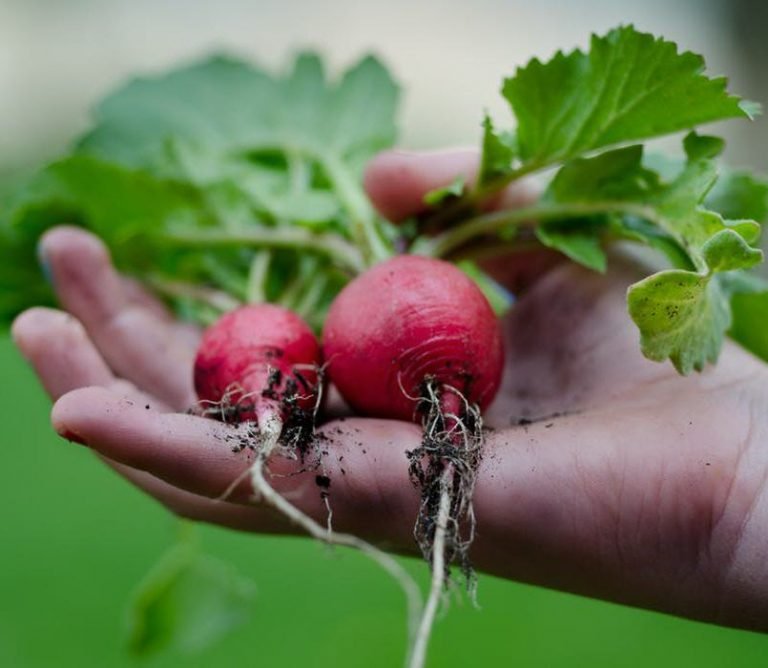
Radishes are another great vegetable for salad eaters and one of the first vegetables a new organic gardener should try. They are easy to plant and can be grown all through summer and into the fall.

Lettuce

Spring Onions

Spring onions are easy to plant since they only need a lot of water to grow. They are a great garnish to any dish AND planting onions around your garden border will help discourage pests.

Pernettya: Decorative Berries In Fall Garden Borders

0

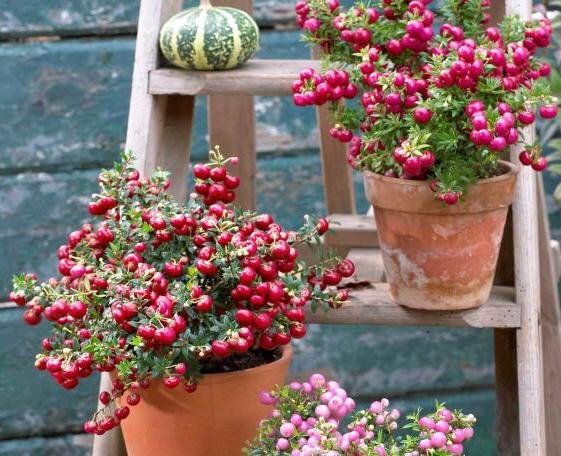
Pernettya: Decorative Berries In Fall Garden Borders – Pernettya is a beautiful evergreen shrub that is remarkable in fall with its colorful and elegant berries. Few plants produce such a dramatic range of colored berries as pernettya and its hybrids. Set off by the small, glossy, evergreen leaves, the fruits vary from dark plum-red, through bright red, to pink, and finally white. Only the female plants carry berries, although it is necessary to have a male plant nearby for pollination.

Pernettya plants

To create a bed of pernettya, place each plant about 40 inches (1 m) apart. Fruit-bearing is increased if you alternate male and female plants. A male shrub has been introduced among the more decorative females, but you could grow one in a nerby border. As pernettya is evergreen and hardy, you could keep it in this glazed, ceramic pot permanently to enjoy its glossy foliage in winter, and then its tiny white flowers in the spring and early summer.

To grow pernettya in pots, mix ⅓ soil mix with ⅔ heath soil, and check that the pot is well-drained with a hole at the bottom. For example, use large, glazed and frost-proofed pot which has a strong affinity with the color of the pernettyas’ small, spiky leaves, yet at the same time it provides a perfect foil for the shining, red, white, and pink berries that appear in the fall.

Plant in a slightly acid potting mixture. Place in a sunny site. Keep the soil moist through the growing season. Feed once a fortnight.

How to combine a male and female plants in one pot? Grow four pernettyas in a 40cm (16in) diameter, glazed, ceramic pot using the next scheme:

  • Pernettya mucronata ‘Bell’s Seedling’ – a female plant bearing bright red fruits;
  • Pernettya mucronata ‘Edward Ball’ – a male plant;
  • Pernettya mucronata ‘Mulberry Wine’ – a female plant that bears dusky pink fruits;
  • Pernettya mucronata alba – a female variety grown for its white fruits.

Fall Season Gardening: Looking After The Plants

0

Fall Season Gardening: Looking After The Plants – Keeping a garden isn’t as easy as laying out a plan, planting a few plants and sitting back to watch them grow. Those plants will need a bit of looking after. This may seem an obvious statement to those of us whose enjoyment centres around working in our gardens more than sitting in them, but it is worth mentioning a few essential jobs you will need to make time for in looking after the plants in your garden.

Watering

Between the months of October and April most plants receive all the water they need from rainfall and moisture retained in the soil. However, there are a few times and circumstances when you will need to water garden plants. The most obvious time is in summer when rainfall can be scarce and the soil can dry out. Pay particular attention to young plants which quickly wilt in dry conditions, container plants and also those plants you want to produce crops for you such as soft fruit and potatoes.

Fall season gardening

The best times to water plants are early in the morning before the sun has properly risen or at dusk when the air is cooler. Never water a plant that has wilted in the sun. Move it into the shade to allow it to cool down before watering. If you can’t move it, then wait until the evening. There are also certain things you can do to make sure you use water efficiently and economically. Having a water butt installed is always a good idea. When watering your plants, water below the foliage so that all the water goes into the soil where it is needed most. If you use a hose, fit a trigger so that you can stop the water between plants. Make sure you use a steady spray of water rather than a jet which can damage plants and expose roots. It is best to water your plants well once a week than sparingly once a day. However, this rule doesn’t apply to container plants which dry out more quickly than those planted in the ground. A good tip for container plants is to sink a plastic bottle with no bottom into the soil and fill it with water which will gradually seep down to the root system.

Feeding

You can save yourself a lot of time as far as feeding plants is concerned if you regularly fertilise your soil with plenty of well rotted manure, organic fertilizer such as blood, fish and bone, or mushroom compost. Other good organic fertilizers include seaweed, your own garden compost, chicken manure pellets, and bonemeal. As a general rule it is better to feed the soil around a plant than apply it directly to the base of a plant, as the plant can then take up the food from the surrounding area as and when it needs it.

Some plants will need a more specialist type of feed. A good example is tomatoes. They will need regular feeding with liquid tomato feed in order to produce a healthy crop. Most tomato feeds are based on properties derived from comfrey. You can make your own comfrey feed by steeping the leaves in water for a few weeks and then straining the mixture before use.

Pruning

As a general rule, plants do not need pruning in order to stay healthy. After all they do not get pruned in the wild. We prune plants to keep them tidy and to stop them growing out of hand. However, there are a few general rules you need to follow when pruning garden plants. If you don’t do much else, it is always a good idea to prune out dead wood or stems which can attract disease if left. It is also crucial that you know how to prune properly. You need a good sharp pair of secateurs. When pruning, cut back to just above a healthy outward facing shoot or bud. Make sure your cut is clean and at a slight angle away from a bud or shoot.

Another important consideration is when to prune. This will depend on how each plant grows. For plants that flower on stems that grow in the previous year, prune after flowering to encourage more growth ready to flower on the next year. For plants that flower on new growth, prune them in late winter to stimulate growth for flowers later on in the year.

Deadheading

There are a number of reasons why you might want to remove dead flowerheads from plants in your garden. It stops the garden from looking tired and shabby. Deadheading encourages the plant to produce more flowers, this is especially the case for plants such as pansies and violas and repeat flowering roses. Deadheading can also prevent those plants which self-seed all over the garden from seeding. It is a good idea to leave seed heads on plants after mid-autumn as they will provide much appreciated food for birds and other wildlife during the winter months.

Mulching

Adding a layer of material to the soil surface around your plants is important for conserving moisture and keeping weeds down. You can either use organic mulches such as leaf mould or manure that also add valuable nutrients to the soil, or you can use other types of mulch such as plastic sheeting which is best used on large areas such as a vegetable patch.

Staking and supporting plants

There are some plants which will need support to keep them upright. In particular, young trees need staking to prevent them blowing over in the wind. Many herbaceous plants will flop over without some support. Bought or home-made plant supports or hoops will keep plants such as dahlias, delphiniums, poppies and peonies from collapsing in your borders.

Keeping Your Lawn As Beautiful As A Ballpark

0

Everyone wants their lawn to resemble the perfectly manicured blades of a ballpark i.e. vibrantly green, perfectly patterned, etc. If you have always assumed that you must be a professional to achieve the lawn of your dreams, it is worth noting that you are wrong since just about anyone can do it with the right information and advice.

Steps for Keeping Your Lawn as Beautiful as a Ballpark

Before you make your lawn as beautiful as a ballpark, you must first have a lawn worth striping. There are some important ingredients to every success and to stripe your lawn to perfection, it is important to first prepare your grounds.

  1. Pick Your Grass Carefully

Grass is not a one size fits all. It is important to know your region and choose the right grass seed based on where you live. It is also important to think about how you plan to use the lawn. Do you have pets and/or children that will regularly be playing on it or is its purpose primarily curb appeal? Talk to your local garden center to find out which grass is best for your location.

  1. Feed as Needed

The vast majority of homeowners tend to over water their lawns, which is more harmful than good. A simple way to determine whether the lawn required watering is to push a screwdriver into the grass. If it easily enters the dirt, your lawn has enough water already. If you find it hard to get the screwdriver into the ground, it is time to water it. It is advisable to fertilize your lawn at least once every year. However, setting 4 times a year schedule for fertilizing it helps achieve optimal health.

  1. Measure Out the Grass

Maintenance crews for professional sports fields are meticulous about the height of the grass since it ensures a uniform look. It is advisable to maintain a lawn height of about 2 inches. You should not cut more than a third of the grass height at a time to reduce damage. So, try mowing when the grass has a height of about 3 inches.

  1. Replenish as Needed

Grass is a natural carpet, capable of cleaning and repairing itself. It is equipped to withstand several elements but it is still impacted over time. If you have started noticing that your lawn is sparse in some areas or not lush and full as you would like, it could be time for adding more seed.

Spring and Fall are the best times to plant new seed since the temperatures are moderate. However, reseeding can be done throughout the year.  The important thing is to avoid drastic changes in temperature and water regularly but moderately to give the seed more time to absorb moisture as well as build roots.

Striping Your Lawn


How Does Striping Work?

The effects of stripes that you see on a ballpark is simply light reflecting off grass blades. Blades that bend towards you appear dark while those that bent the opposite side appear lighter. You can see some of the same effect with regular mowing. Creating patterns simply takes it one step further. You need a roller or a striping kit for the mower to get the blades to bend. You can buy a striping kit online or build one yourself.

How to Stripe Your Grass

Striping is done when the grass is green and beautiful. The steps below should help you stripe your grass as you please:

  1. Arm Yourself with the Proper Tools

The right equipment can help take a lawn from looking just well-manicured to professional. When it comes to choosing a mower, avoid jumping straight to the models that pick up grass clippings. Letting the clippings decompose in the lawn adds to its overall health. If you mow regularly, the shavings will be small and less noticeable. Another great trick for cleaning up the lines and defining our yard is to add an edger to your arsenal.

  1. Pick a Pattern

It is important to decide on the pattern that you would like to create before you start mowing. It can help to make a sketch of how the pattern you choose will fit your lawn’s layout. The possibilities are virtually limitless, but diamonds, checkerboards, ad stripes are the most popular patterns.

  1. Watch Where You Move

Unless you are creating a wavy pattern purposefully, ensure that you carefully mow in a straight line. Start by mowing parallel to your driveway or sidewalk. To keep mowing straight, look about 10 feet ahead while mowing instead of at the ground right in front of your mower.

Once you reach the end of a row, lift your mower deck as you turn, and then mow in the opposite direction next to the previous pass. If you wish to form a checkerboard, mow your lawn once more at 90 degrees to the first mowing. The final step is to mow a strip around the lawn’s edges.

  1. Intensify the Stripes

The mowing will create the basic pattern, but the next step is what professionals do to ensure that their patterns are more pronounced. The secret is to further bend the blades of the grass, which you can do using a lawn roller. If you don’t own a roller, you can always hire one. Get back over the mowing stripes and roll the grass in the same direction you mowed and you will definitely see a dramatic difference.

If you want to keep your lawn as beautiful as a ballpark, you should follow the tips provided here. To recap everything: ensure that you choose the right grass for your lawn, ensure that your lawn is regularly fertilized, and maintain it at the right height.

When it comes to striping the lawn, choose your pattern, use a roller to create the desired pattern while watching your step. Finally, if you are unable to do anything described here, you should consider hiring a professional lawn care service to help you achieve the lawn of your dreams.