Violas In Early Spring Garden

0

Violas In Early Spring Garden – The traditional viola, long-famed for its fragrance, produces scented blue or white flowers in early spring garden. Do not expect the perennial violas to produce the large and colorful blooms associated with the pansies and violas grown in parks and gardens as bedding plants. The old-fashioned violets, once so popular and now uncommon, produce blooms which are 1/2 in. or 1 in. in diameter.

Use them for ground cover or edging at the front of the border – they will flourish in most soils, but they do need good drainage and some shade. Mulch in spring and water when the weather is dry in summer. Dead-head regularly and every three years lift and divide the clumps.

Viola odorata

Violas varieties

Viola odorata is the sweet violet which was so adored by the Victorians. The basic details are height 4-6 in., spacing 1 ft, flowering period February – April and again in fall. The leaves are heart-shaped and the flowers blue or violet. Other colors are available — ‘Christmas’ (white) and ‘Coeur d’Alsace‘ (pink). ‘Czar’ (purple) has a the reputation for being the most fragrant.

Viola cornula is the horned violet — height 6 in.—1 it, spacing 1 ft, flowering period May – July. Named varieties include ‘Alba’ (white), ‘Jersey Gem’ (purple) and ‘Lilacica’ (lilac).

Site and soil

Any well-drained soil will do – thrives best in light shade.

Propagation

Divide clumps in fall or plant basal cuttings in a cold frame in summer.

Starting Seeds Indoors For Early Spring Herbs Garden

0

Starting Seeds Indoors For Early Spring Herbs Garden – Early spring is a cold and wet month and this is the perfect time to start working on indoor garden tasks. Outside at this time of year is a good time to do your pruning, weeding and getting the garden beds ready for the growing season.

What are you planning for?

Imagine a full bed of basil and fresh rosemary, lush bushes of tomatoes for making pizza, salad and spaghetti sauce. You can also grow extra to share with friends, family and neighbors, and also catnip for the cats.

Indoor herbs garden

What you decide to grow in your herbs garden may depend on your climate or how much room you have. That is OK, as long as you plan ahead.

Starting seeds indoors

If you have not the patients to wait for the weather outside to reach optimal temperatures before you plant, you get a jump on the season by starting my little seedlings indoors.

Propagating from seed for your indoor herbs garden is not as hard as some might think. You simply need to find a technique that works for you. It simply takes a little time along with some tender loving care.

To start your seeds, soak them for several hours before you plant them. This will give you an added advantage.

If you have seeds that you have been holding onto for a long time and are not sure if they are still capable of sprouting, you can use the pre-sprout method. This is done by folding a thick paper towel in half and getting it moist. You can do this by using a clean spray bottle. Space your seeds out and place the moist paper towel inside of a zip lock baggie.

About the time we think they should be sprouting (according to the directions on the seed package) we take a peak each day until we see life. If they sprout, we then take each sprout out carefully and transplant them either in a pot or outside in the garden, depending on the current climate.

Make sure to keep your seedlings at an optimal temperature. Below is a short list of some herbs and the best germination temperatures.

Basil – 70 degrees F
Days to germinate – 5 – 14 days

Catnip – 70 degrees F
Days to germinate – 5 or more days

Chamomile – 70 degrees F
Days to germinate – 10 – 14 days

Chives – 60 to 70 degrees F
Days to germinate – 5 or more

Cilantro – 55 degrees F or higher
Days to germinate – 7 to 10 days

Greek Oregano – 65 degrees F
Days to germinate – 14 days

Lemon balm – 60 degrees F
Days to germinate – 7 to 14 days

Parsley – 65 degrees F
Days to germinate – 5 or more days

Sage – 60 degrees F
Days to germinate – 7 or more days

How to Feed the Wild Birds in Your Garden

0

There are many ways in which you can invite the beautiful wild birds into your garden and one very successful way is through feeding them. Feeding wild birds is really quite simple, but it’s important to know what you’re feeding them and how you’re doing this to ensure they are safe and healthy. From specific feeders to the right seed, continue reading to find out exactly how you can feed the wild birds in your garden.

Bird Tables

Whilst many people see bird tables as more of a stylish garden feature than an actual aid for birds to benefit from, they’re really useful to have in the garden. By placing a bird table in your garden you’re branding your garden as bird friendly, which over time will become appealing to the wild birds within your area. You can find a selection of bird tables designed with or without a roof for you to use to feed the birds that visit. Depending on the time of year, you may find that tables with a roof are ideal through the winter, to shelter the birds and the food from any bad weather conditions. Bird tables are perfect for scattering a selection of juicy mealworms, mixed seeds and even left-over food from your most recent meal for the birds to enjoy.

Bird Feeders

One of the most popular ways of feeding wild birds is with a bird feeder. Bird feeders are ideal for placing in the garden to attract the birds in. A huge number of wild birds eat seeds, and seeds are predominantly what you’d be putting into your feeders. With a selection of sizes available, you can find the right style to suit your garden and start to invite the birds in. The best thing to do with your bird feeder is to hang it up from a sturdy branch to ensure it’s not going to fall or blow off. You may also want to check the type of feeder that you’re using, as there are lots of unwanted visitors such as squirrels and foxes that will try their very best to get into the feeder and steal the seeds for themselves, so you may want to invest in a bird feeder that has a durable cage surrounding it to protect the contents from unwanted diners.

With so many different styles of feeders available, it’s important to choose the right one for your garden. The most popular form of bird feeders are Nyjer Feeders, Seed Feeders, Hopper Feeders and Nut Feeders. Whilst all of these feeders serve the same purpose, you’ll find they suit different seeds/feed so it’s best to know what your birds are interested in before you invest too much into the type of feeder you’ll be using.

Alternative Options

If you’re not too keen on the idea of introducing a plastic bird feeder or wooden bird table to your garden, there are other options to choose from. A really unique yet environmentally friendly way to feed the birds that visit your garden is to recycle a large log. Cut some holes into the log and scatter the seeds/mealworms into the holes for the birds to find. This is ideal as it looks natural in the garden, so the birds are more likely to take an interest in this type of food display.

3 Reasons to Consider a Summer House

0

Do you wish you had your special space away from the main house? If you have been considering this but are yet on how to get it done, you should consider a summer house. Your summer house can be used for various purposes, including relaxation and storage. Summer houses are also a great addition to your garden. They come in multiple sizes and shapes. The budget also varies depending on your needs and material used.

Adds value to your home

Your home is an asset that can depreciate or appreciate depending on the care and improvements you make to your home. Adding a summer house will raise the value of your home. Should you choose to use your property to request for financing, you will be confident in getting the funds you need. If at any given point you put your house on the market, it will be attractive to buyers since it comes with additional space. The physical appearance will also e appealing to those who are focused on aesthetics.

Additional space

Summer houses can be used for various functions including office space, storage space for garden implements, relaxation area, or a living area. If you feel your home is full of things you need but you have no space to store them attractively, you may opt to construct a summer house. The summer house will make items you do not use frequently look like treasures instead of clutter.

If you need additional living space for your guests or children, you may opt for a summer house. It will not just be an attractive addition to your home, but it will also make everyone in your home more comfortable since you shall free up some space in your home. If you want a home gym but do not have space for one, a summer house could be your solution.

Create a home office

If you work from home but are getting tired of the distractions, you can create your own space by constructing a home office in the form of a summer house. This could even boost your productivity if you have a great view of your garden, especially if the environment you work in impacts your productivity.

If your business requires you to meet with some of your clients, you and your clients may be more comfortable meeting in the summer house as opposed to them coming into your home. It also seems more professional. You are more likely to close a deal in a summer house as opposed to a home setting.

A summer house has many benefits. If you have been considering one but had not made up your mind on constructing one, it is time for you to think of the best place to set up the summer house. As you choose the location of the summer house, you should also consider the available space against the primary purpose of the summer house. This will help you come up with a style that suits the designated area and the general appearance in connection to your garden and home decor.

Choosing And Planting Trees For The Garden

0

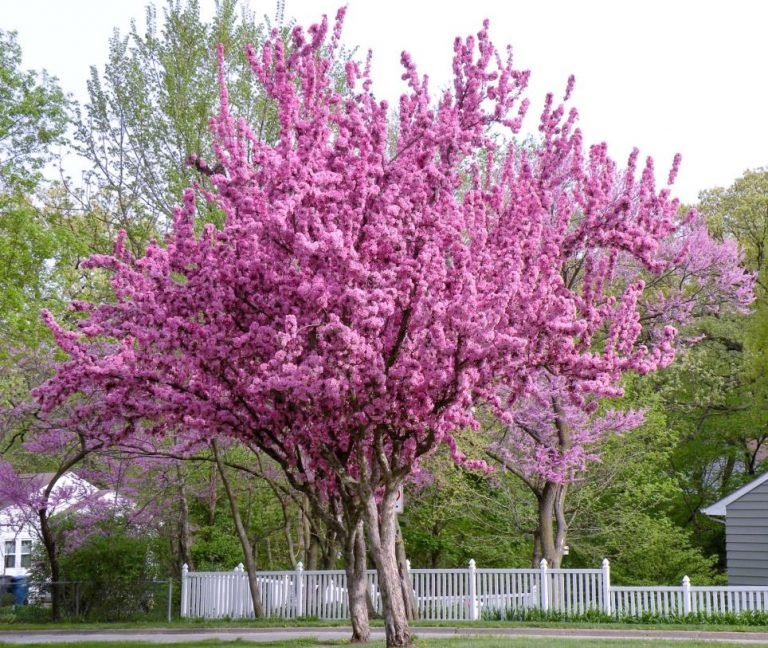
Choosing And Planting Trees For The Garden – Trees can make or break a garden design. Too many of them, or unsuitable kinds, can rob the garden of light and the soil of food and moisture, making it impossible to grow anything else very well. A few well placed trees that are well chosen can give a garden distinction and provide a welcome summer shaded area. Large trees, such as oak, poplar, beech, willow, cedar, pine and fir, should only be chosen for larger gardens. You can, however, find some of these in a form that will be acceptable in a smaller garden. Conifers, of which cypress, cedar, juniper, fir, and pine are familiar examples. Conifers will have narrow leaves, and sometimes even needle-like leaves. The majority of this type, but not all, are evergreen. There are not many other types of evergreen trees. For this reason, they do play a special part in the over all look of the garden. Many of these are conical in habit, and contrast greatly to the more rounded shapes of broad-leaved trees. Though naturally green leaved, some conifers produce varieties with leaves of different colors, usually a blue gray or golden color. Once trees are planted, they are likely to remain for a great many years.

Getting ready to plant

It is very important for the hole to be wide enough and deep enough to give roots the space they need to grow to maturity with ease. We recommend filling the hole first with water, and then allowing the water to soak back into the soil before planting. Do not put the roots down into a pool of water because you do not know how long it will take for the water to soak back into the ground. By doing this you will know that the roots will make contact with moist soil. Once the hole is prepared and you place the tree where you want it, check the to make sure the depth is correct. A good check would be to see if the soil mark on the trunk is at least one inch below the soil level. Once this is done, firm the soil down around the roots using your foot or the end of your shovel. If your tree is small, you will need to put a few stakes around the perimeter of the tree and tie the main stem securely to the stakes. This will help your tree grow straight, as well as preventing overturning or lending due to strong winds.

Trees should have a cultivated circle of at least 4 feet in diameter around them for the first few years. A good feeding is recommended for young trees each spring. When applying fertilizer, be sure to read the directions for the particular product you are using as many will vary. Over fertilizing and over watering are some of the main causes of disappointment when growing trees, and is the case with most plants.

How to Prepare Your Garden for Spring

0

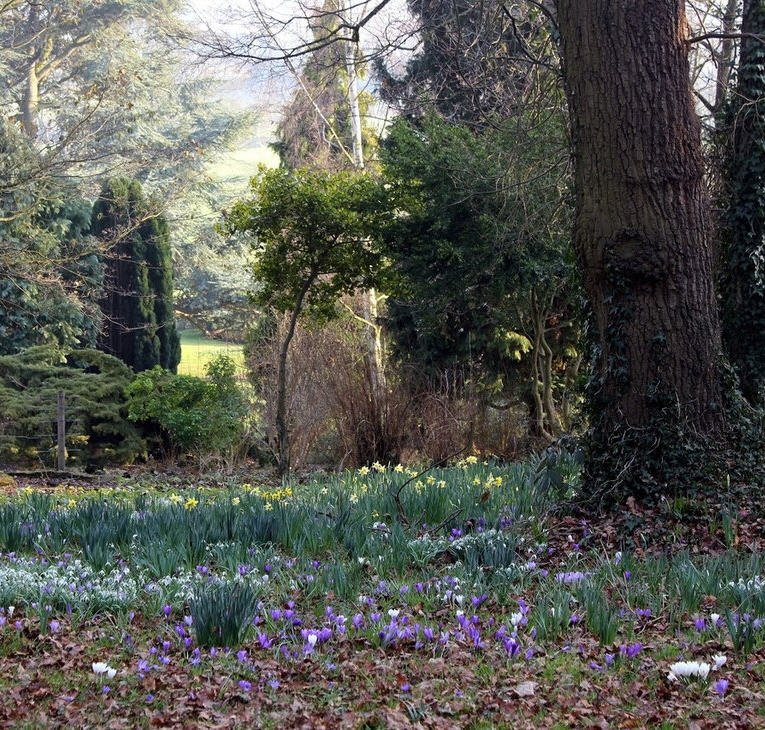
Evenings are starting to stay lighter for longer and the crocuses are starting to pop out from the ground, which can only mean one thing, Spring is just around the corner! After a long, cold winter there is nothing more exciting than getting ready for spring, welcoming those fresh, sunny days with open arms. With just a few weeks to go before spring arrives, now is the perfect time to get everything ready and prepare your garden.

Ordering the Essentials

Now is the time to put an order in for all of the essential items that you’re going to need for spring. Firstly, you want to place an order for some summer-flowing bulbs as these can be your first project of the season. Planting these bulbs and seeds in the spring will ensure that you have a beautiful arrangement of flowers to welcome the summer with. It’s also a great time to stock up on a selection of food for the wild birds that are going to be visiting your garden. From mixed seeds to mealworms, it’s really good to stock up on a supply to help you care for the birds in your garden. Checking that you have all of the essential gardening equipment is another important thing to do, as this will ensure you have everything ready to start your projects when spring arrives.

Tidying Up Flowerbeds

Over the winter months your flowerbeds can become overgrown and messy, which is never a good look for your garden. There’s no point in planting new seeds and bulbs into a messy flowerbed, as not only will the soil not be right, but you may limit the chances that they have of growing to their full potential. Start by removing loose leaves, as over the autumn/winter periods you’ll notice leaves become quite a problem within the flowerbed areas. You should also ensure that the current soil in your flowerbeds is clear from any weeds or unwanted plants, which you can remove and add to your compost heap or throw into the bin. This will simply ensure that there are no risks when it comes to planting and growing your new seeds and bulbs in the spring.

Eliminating Garden Pests

Pests are by far the most frustrating part of gardening, especially when you’ve spent hours preparing your garden to get it to where you want it to be. Over time, pests can cause havoc in the garden, from nibbling their way through your prize vegetables, to spreading diseases across your flowerbeds, so they need to be stopped before its too late. Hunting down the pests in your garden can be a challenge, but if you look closely enough, they often leave a trail behind them. From slugs to snails, you need to combat the issue and remove any potential pests from your garden. You’ll often find that they gather in areas where there are dead plants, compost and even diseased soil, so removing any of this from the garden is a very good place to start. You can then invest in the popular pest control from your local garden centre such as snail and slug repellent.

Spring Cleaning the Greenhouse

For those with a greenhouse in the garden, now is the time to get out there and ensure it’s clean and fresh for the busy seasons ahead. After a busy yet successful summer filled with gardening projects, you often find that the greenhouse can be left a little messy and become neglected throughout the winter. From dirty windows to untidy work stations, it will be really frustrating to have to tidy down and clean when all you really want to do is crack on with the spring projects you have planned. Now is the time to get into the greenhouse and give it a thorough spring clean, from washing down the windows to labelling drawers, restocking essentials and even investing in new tools to see you through the next couple of seasons.

Early March Gardening

0

Early March Gardening – March makes for the perfect time for gathering in bedding and patio plug plants and seedlings, to give you the biggest and best bedding displays ever! Pot up and plant out after the frosts have disappeared over the next few weeks to give you the best results this summer. Don’t forget all the essentials you’ll need: pots, seed trays, labels and the all-important compost!

Houseplant care

Give your houseplants a little TLC this March leave them feeling rejuvenated! Start by re-potting those that needs more room into bigger pots, and give them all a good feed. We know it’s easy to forget to feed them regularly, so we recommend a controlled-release fertilizer- simply feed and forget! Pesky pests will be lurking around at the minute, so keep your eyes peeled and kick them out! Check our range out, and find everything you’ll need for giving them a spring treat. From pots to compost, fertilizers to insecticide sprays.

Shrubs

Plants such as dogwoods and rubus are grown for their famed colorful stems, injecting vibrancy and life into your garden. See even more intense results later on in the year if you cut back the stems this month. If you’d like to add a colorful shrub to your garden.

Herbs are not just for the kitchen

Not many people realize that herbs can be grown simply for their flowers and pretty foliage rather than just for their culinary properties. Bringing an indulgent mix of scents and colors to your herb garden or beds and borders, herbs can have a multitude of uses.

Sow your seeds

Get your plants and vegetables off to a flying start early March by sowing your seeds in a heated greenhouse or light, warm place. Check online for all you’ll need: propagators, pots, trays, compost and labels.

Get to the greenhouse

If you’re eager to get in the greenhouse already, it’s good news! There’s plenty to be getting on with this month, such as sowing bedding and vegetable plants, and re-potting cutting taken from last year’s batches! Start dahlia, canna and begonia tubers into growth now for earlier blooms. Even more good news, find everything you need for the best results online: pots, trays, compost, labels, feeds and not forgetting pest controls!

Pond care

Spend a little time checking over your pond this month to make sure it’ll be up and running like clockwork this summer. Check over your pumps and filters for any damage, and replace now if necessary. Luckily, you’ve come to the right place should you need a replacement, without having to leave your living room!

Pestwatch

Unfortunately, as your plants grow, the pests will start to show! So make sure your plants grow strong and healthy this year and aren’t held back by pesky pests. Look out especially for slugs, aphids, whitefly, scale insects, and red spider mites along with many nasty diseases.

Feed your plants

As winter starts to fade away, your plants will really benefit from a good feed in early March gardening, as they begin to come into growth. We recommend using a general granular fertilizer such as Blood, Fish and Bone, or Growmore or a controlled-release fertilizer for an easy once a year feed.

Don’t forget roses

Hybrid tea, floribunda and climbing roses will benefit from pruning during early March gardening to give them the best start this year. It’s worth investing in a decent pair of secateurs, loppers and thorn-proof gloves, all of which we have available. Ensure to spray with an insecticide and fungicide afterwards to give them added protection. We recommend feeding with a granular rose fertilizer, and mulching with a composted bark or well-rotted manure- our top tips for big blooms.

The best March’s plants

Add instant color and interest into your garden this month with camellias, clematis armandii, forsythia, azaleas and rhododendrons, along with of herbaceous perennials.


The Best Plants For Shades

0

The Best Plants For Shades – Not all plant enthusiasts are fortunate enough to have a sunny window at their disposal. They may find themselves with a room facing north or northeast, where plants can simply fade away through lack of sunlight. Another handicap is that such a sunless room can be very cool in the summer. But not only people in the proverbial bedsitter or limited accommodation have this problem.

Plants for shades

Those living in large house where the front or rear faces north or northeast also need to make a careful choice of attractive plants to enhance those parts of the house that are less suitably positioned, or catch little or no sunlight. Fortunately there are plenty of sturdy plants that are quite happy in front of sunless window or in a cool room. Full light is often more important than sun.

Below are a number of flowering plants that actually prefer shades:

Tradescintia albiflora

Calceolaria (Slipperwort). Frequently referred to as Slipper or Purse flower, it flowers in the spring and is happier in a cool, humid atmosphere than a warm, dry one. This little plant also does well somewhere in the middle of the room.
Camellia japonica (Camellia). Requires a very light situation facing north. An evergreen, it flowers in the spring or in the winter, depending on its position. It is advisable to leave this plant in its original position; do not turn it when the bud is developing or during flowering.
Howeia forsteriana ( Kentia Palm). Has elegant leaves divided into four arching leaflets that spread out like a fan. Likes a light to moderately light situation away from sunlight, but with a humid atmosphere.

Howeia forsteriana

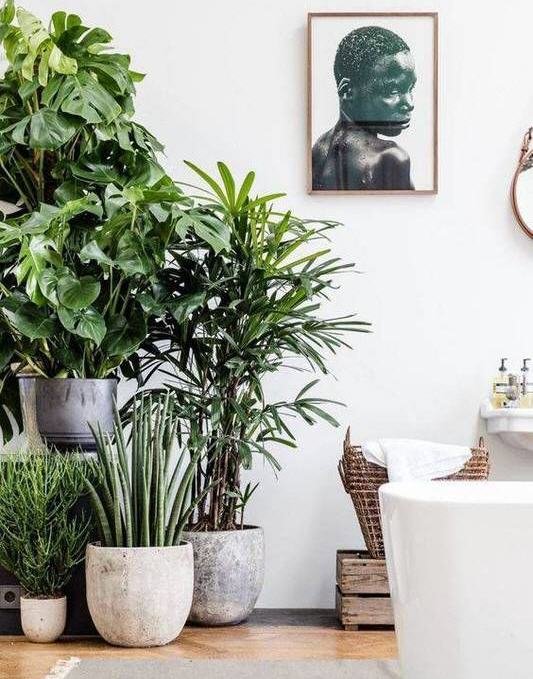
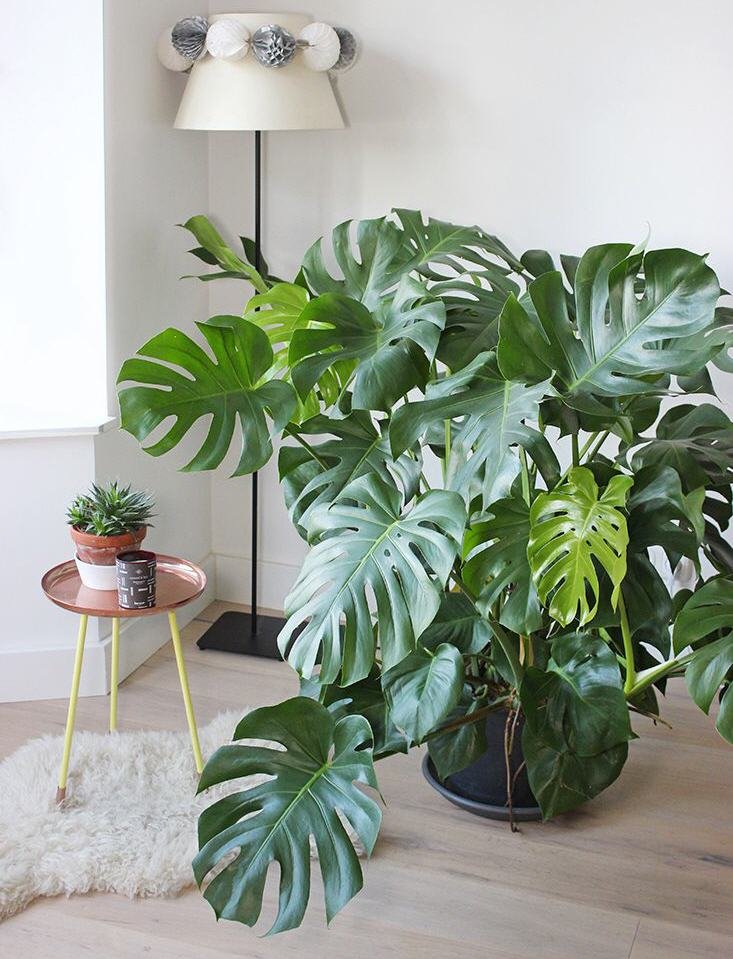
Monstera deliciosa. Popularly known as the Swiss Cheese plant, Hurricane plant or Mexican Bread Fruit. Prefers a light situation, but happily tolerates a place in the shade.
Philodendron (Sweetheart Vine or Lover’s Plant). A decorative plant related to the Monstera, which requires a humid atmosphere. Tolerates very shady situations.
Cyclamen persicum (Cyclamen). Flowers in the winter and spring with large pink, red, or white flowers. This is most popular of pot plants likes light and airy conditions, while the ideal temperature is 10oC.
Scindapsus pictus (Devil’s Ivy). A white-flecked climber which can be attractively cultivated as a hanging plant. The leaf markings will fade if it is deprived of sufficient light. Likes to be kept warm.

Devil’s Ivy

Tradescintia albiflora, ‘Albovittata’ (Spiderwort). A hanging plant with a cream-colored, striped leaf. Can be grown throughout the year in a shady position under a normal living room temperature.

Monstera Plant

0

Monstera has been a favorite house plant for many years. With proper care young specimens (sometimes mistakenly sold as Philodendron pertusum) soon develop large adult leaves which are perforated and deeply cut. Sturdy support is essential, and stems can reach a heigh of 20 ft or more. If your aim is to grow a tall Monstera plant with giant leaves you must care for the aerial roots – push them into the compost or use a moss stick.Monstera is an evergreen tropical plant, family of lianas. Monstera produces small leaves and spindly leaf-stalks when there is not enough light, so brightness is essential. The Monstera stops growing altogether in deep shade.

Monstera deliciosa

Monstera leaves are shaped like a heart; they are quite large and beautiful, rich green color. Around the perimeter of the leaves are arranged symmetrical cuts. The leaves are smooth and shiny. There the length up to one meter.

Monstera plant prefers a shady, draught free position, with good natural light. Feed once every two weeks during summer. Give it a good watering, but allow the pot to dry out a little between waterings. Less water is required in winter. The plant will benefit from having the leaves sponged frequently. Using clean water with a few drops of milk added.

The Monsteras are easy to grow and have no special requirements. However, the white lily-like flowers and edible fruits are only likely to appear on conservatory or greenhouse plants.

Monstera deliciosa is the species grown as a house plant. With proper care giant leaves will be produced. The form Monstera variegata has white and cream lines or patches on the leaves – more colorful but not necessarily more attractive. Where space is limited grow the compact variety M. borsigiana or M. mini.

Monstera variegata

Monstera propagation

– Seed. Seeds for successful germination are required bright warm room. Sprout with the first leaves will appear during the month, but it still does not have slots. Adult leaves appear after six months. Further care is simple – yearly pruning and transplant.

– Cuttings. Monster is propagated by cuttings from spring to early summer. You need to cut off sprout with 2-3 leaves. The place where the stalk was cut is sprinkled with charcoal. The stalk is planted into a pot which is placed in a mini greenhouse. It is watered 2 times a day. The plant should be transplanted into another pot when the roots appear.

Monstera obliqua

– Top. You need to cut off the top and put in water for rooting. Water is used boiled and often change. Activated carbon is dissolved in the water to prevent rotting of the sheet. A lot of roots will be contributed to the rapid emergence of leaves.

Monstera problems occur if wrong care or watering.

If the leaves are dry and fall off – is too hot. You need to move the Monstera deliciosa away from direct heat or sunlight and often sprayed with water.

If the stalks are rotting in the winter – the soil is much waterlogged.

The leaves become yellow, dries and on the surface appear brown spots – moisture is not enough.

Leaves are small and faded – not enough light.

Monstera deliciosa quickly loses its leaves – the lack of nutrients.

5 Tips to Gardening on Trend in 2019

0

Gardening is a good way to spend your time indoors or outdoors. You can engage in the activity as a hobby or even as a full-time job. Whichever is the case, you get to grow plants, watch them grow and get yield from your hard work. Consider landscaping or container gardening depending on your environment and the amount of space you have available.

2019 ushered in new gardening trends you should know. Choose a suitable landscape for gardening, but depending on the climate and what you want to grow. Make sure to pick the best area for starting your garden. Here are some trendy gardening tips to get you started in the New Year:

Top 5 2019 Gardening Trends for You

  1. Urban Gardening

Urban gardening involves table planting, hanging gardens and space-saving, especially for gardeners with plots that are either small or medium-sized. Sky and vertical gardens offer the best inspiration for on-trend gardening in 2019. For instance by 2020, the Heron’s Tree will be the largest hanging garden in the world.

If you aren’t interested in outdoor gardening, you can diverge to indoor gardening. Houseplants can be a huge, classic garden trend this year and many more years to come. Using houseplants to clear out toxins within your living space is a trend that has taken shape in 2019.

Try living room furniture garden for growing fresh produce indoors. Low Maintenance Garden Fencing can also support vertical gardening in urban areas and other places without much space.

  1. Grow-Your-Own

This garden trend will take 2019 by storm. Many urban gardeners are into it due to the growing popularity of plant-based diets. Adopting this gardening trend can help you become more self-sufficient. A survey was taken to investigate grow-your-own projects.

The result of the survey showed that the gardeners behind the projects contribute to food sustainability. As a result, they help reduce human resilience on imported fresh food for increased consumption of locally-grown produce.

There’ll be good use of soil in the next one year, making sure none goes into waste. Grow vegetables and fruits such as ta plants, herbs and fruit bushes to keep your garden trendy.

  1. Use Technology to Garden

Gardening isn’t a way of escaping technology, but adopting it. Technological advancements have revolutionized how gardening is done, starting from planning and mowing to weeding and harvesting. Robot mowers are available on the market to give you control over your mobile phone. It ensures your lawn is perfectly done.

Robot sprinklers can also take all the hard work that goes into watering your garden. Robot bee swoops support mother-nature due to a decline in bee population.

Drones are used to spray pesticides, pollinate crops and identify pests on your crops. Solar-powered robots, on the other hand, can support weeding. All these technological advancements in 2019 are meant to make gardening easier and fun.

  1. Garden Your Outdoor Hideaways

Gardens should be enjoyable, productive and practical places to spend your free time. Garden buildings are good investment options, hence you’d rather add value to your home than keep moving. Owning a garden building includes investments in greenhouses, sheds, garden studios, log cabins, summerhouses and outdoor retreats.

  1. Save the Earth

Your inner peace can only be found and balanced through efforts geared towards helping mother-nature and fostering planet-saving. There’s no denial that mother-nature needs help from you in various ways.

While there are efforts focused on reducing the use of plastics, the horizon is looming with a decrease in the population of flying insects. Let your garden go wild and plant native plants to reverse any likely damages.

Plants And Jobs In January Garden

0

Plants And Jobs In January Garden – Now that Christmas is over, us gardeners are resigned to a couple of months of dark cold days when the garden looks very sparse, before new plants and shoots begin to appear. However, there is always something you can do in January, even if it’s indoors. Take stock of your January garden and do some planning for the year ahead. Look through seed and plant catalogues. Sketch out a plan for this year’s vegetable patch and decide what you will grow. Outdoors, now is a good time to get on with a bit of garden maintenance while shrubs are bare and borders have died down and you can see clearly what needs to be done.

Plants of interest in January garden

January is the time to appreciate the bare shape of trees against a wintery sky, the colored stems of shrubs and the exuberant colors of evergreens. Birch trees can be large or small, but all have the most amazing bark. The common silver birch (Betula pendula) has pure white bark that takes on an almost silvery hue in the winter sunshine. These trees are easy to grow and thrive in both sun and light shade. Dogwoods have some of the most colorful stems of any shrub and are at their best at this time of year. Choose the bright red stems of Cornus alba ‘Sibirica’ or the flame orange stems of Cornus sanguinea ‘Midwinter Fire’. Winter jasmine provides some winter cheer with its bright yellow flowers, as does mahonia. Also, Witch hazel is a lovely sight in winter with its citrus-scented, spidery flowers. Other plants at their best at this time of year include hellebores or Christmas rose, crocus, cyclamen and of course, the snow drop.

January garden jobs

If you haven’t already done your winter digging yet and the soil is not too wet, then now is the time. Incorporate compost or manure to improve the texture. Turn your compost heap. Look out for any wind damage to shrubs and trees. Remove any damaged branches and prune back. Plant deciduous hedges, bare rooted trees and shrubs. You can also plant roses if the soil is not too cold or wet.

Carry out repair jobs such as repairing broken fence panels, and treat and repair outdoor timber such as sheds and wooden garden furniture. Garden tools are essential for good garden maintenance, so now is the time to make sure they get a good clean and sharpen. Clean out the January garden shed and reorganize your storage space. Although your lawn may not be growing at the moment, a good tip at this time of year is to keep off the grass as much as possible. If you don’t and you continue to run your barrow over it or walk the same path to the garden shed, you will wear out the grass and leave muddy tracks.

Cyclamen

You may be forgiven for assuming that you don’t need to pay much attention to your patio outdoor planters at this time of year. Although they don’t need daily attention, they may still need the occasional bit of water, especially those that live up against the side of the house or sheltered under trees or overhangs such as porches – once a week should be enough. They will also need protection from frost. Move containers up against a wall if a cold snap is forecast. If colder weather threatens, wrap containers in bubble wrap and the plants in horticultural fleece to stop the lot from freezing solid.

There are also jobs to be done in the greenhouse. Check any plants overwintering in the greenhouse and remove any dead leaves. Water greenhouse plants very sparingly during winter months. Clean and tidy pots and seed trays in readiness for the spring. To help keep pots and seed trays stay disinfected, place them in a plastic carrier bag and knot the top.

A final job which needs your attention at the start of the New Year is the discarded Christmas tree. If you had a real live tree in a pot, place it in a sheltered spot in the garden to carry on growing until it’s time to bring it in again for next Christmas. If you had a real tree but without roots, don’t leave it to rot on the compost heap – cut up the branches and trunk for use in a wood burning stove. If you don’t have a real fire then take the tree to a local council tip where it can be shredded and recycled.

5 Tips to decorating with calatheas

0

Indoor plants are becoming a huge trend to homeowners today. After all, they make a good addition to your home by making look green and stylish. Indoor plants to tend to make one’s home looking fresh and comfortable to live in. Even in the office, indoor plants are known to help in destressing. So it is only natural that a lot of us would like to include some indoor plants in our personal spaces. One of these plants is the calatheas. It’s actually a popular plant that originally came from the Amazon rainforest. So not only does it add exotic beauty to your space, but it also provides a lot of environmental benefits.

Here are 5 tips to decorating with calatheas.

  1.    Place them in all the rooms where you and your family mostly spend on.

One of the benefits of calatheas is that it removes toxic agents in the air. It purifies the air indoors so it really helps in improving your health as well as sharpen your mind. So it is only fitting that you place it in your home where you are mostly in. It could be in your living room or bedroom. Having a calatheas in these rooms will make a good environment for you and your family.

  1.    Match your plants to your home’s theme.

When it comes to decorating your home with houseplants, matching it to your home’s theme will help a lot. Calatheas is a versatile plant that can be decorated in any theme, but to customize it, even more, try to place it in a room that matches its color. You can also place it in an area that will contrast the color to complete the ambiance of the space.

  1.    Invest in good vase or pots.

Placing your calatheas in a stylish vase or pot helps a lot in easily making your home looking interesting. How you choose your pots or vases will ultimately affect the overall look of your home so when you are decorating with calatheas, find something that will add value to your space and make it look even more beautiful. Once you have placed the plant in a nice pot or vase, you can now easily find a good spot for it anywhere in your home.

  1.    Place it near the windows.

As much as possible, place your plant near the windows.

Your calatheas will need sunlight too to give it enough light, place it near a window so it will receive enough sunlight to survive. This way, you don’t have to move every so often if you find out that it needs more sunlight.

  1.    Group your calatheas together.

Depending on the number of plants you want to have in your home, it is best that you group your calatheas altogether. This way, the moisture among the plants are spread out and will be picked up by another.  Make sure to not keep it to close though to still maintain good air circulation which is a preventive measure from plant diseases.